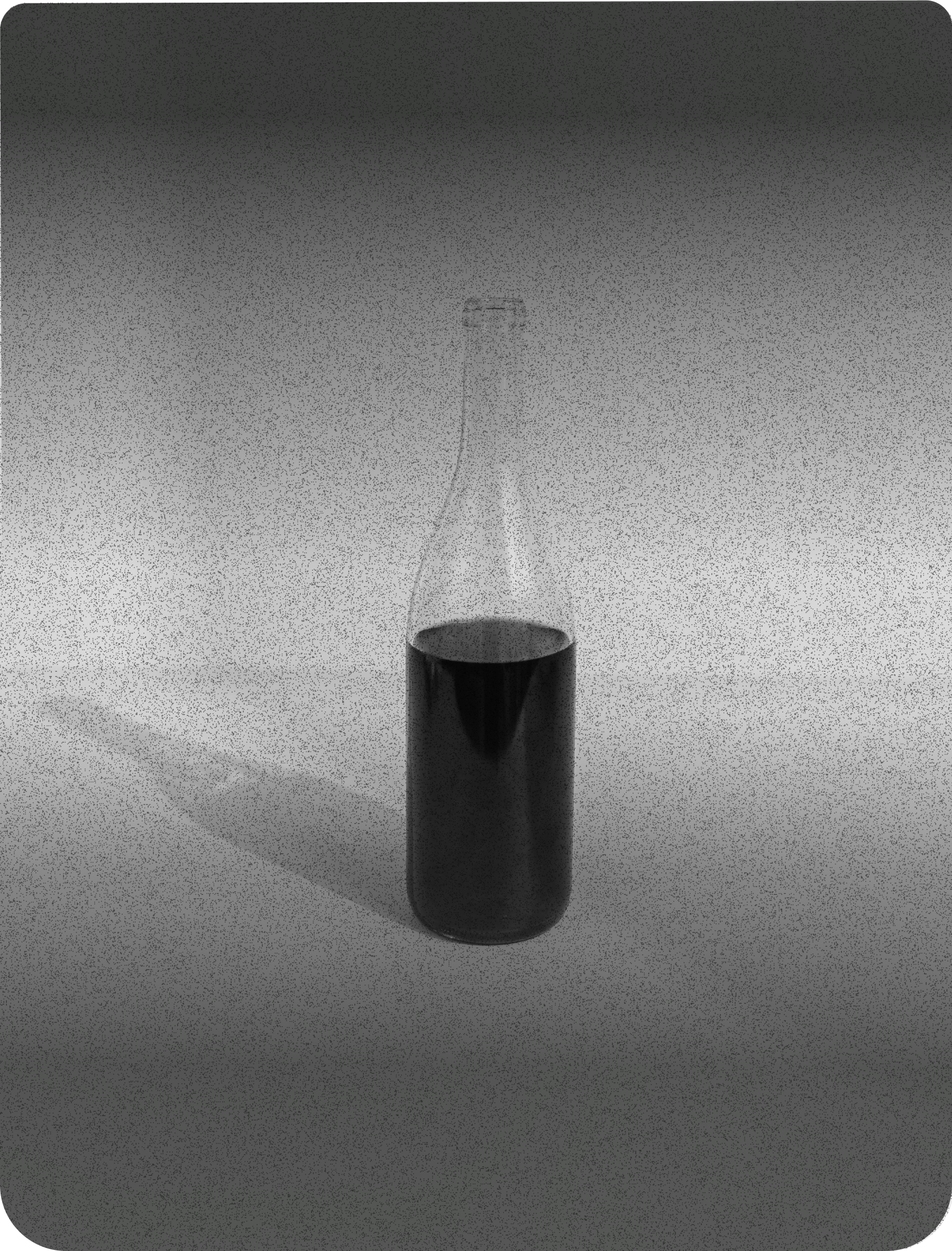
COLOUR
Red
TYPE
Still
VINTAGE
2018
GRAPE
Corvina, Corvinone, Rondinella, Oseleta, Croatina, Molinara
PRODUCER
Zýmē di Celestino Gaspari
REGION
Veneto
CHARACTERISTICS
Body
Full
Sweetness
Dry
Acidity
Medium - High
Finish
Long
Intensity
Pronounced
Tannins
AROMAS & FLAVOURS
ABOUT THIS WINE
Zýmē Amarone Classico della Valpolicella DOCG 2018 is a dry red wine from the Veneto region of Italy, specifically the Valpolicella Classico appellation. Produced by Zýmē di Celestino Gaspari, the wine's name, 'Zýmē,' is derived from the ancient Greek word for yeast, reflecting a philosophy of natural processes and continuous transformation. The winery's approach blends respect for tradition with a spirit of innovation. The 'Classico' designation indicates its origin from the historic heart of the Valpolicella region. The wine is crafted from a blend of indigenous grapes including Corvina, Corvinone, Rondinella, Oseleta, Croatina, and Molinara, with the grapes undergoing the traditional appassimento drying method for at least 3-4 months, concentrating their sugars and aromas.
ALCOHOL
15.5%
AVG. PRICE
€125
STYLE
Classic
SULPHITES
NO
When to drink
Later
Ideal temperature
16-18°C
INTERESTING FACTS
Fact 01
Zýmē means 'yeast' in ancient Greek, symbolizing natural processes.
Fact 02
The 'Am' in Amarone hints at an unfinished name, suggesting 'work to be done'.
Fact 03
Grapes are dried for at least 3-4 months via the appassimento method.
Fact 04
The wine undergoes a minimum of 5 years of aging in large Slavonian oak.
FOOD PAIRING
Read more
WINE MAKING PROCESS
The production of Zýmē Amarone Classico della Valpolicella DOCG 2018 begins with grapes from vineyards at least four years old. A defining technique is the appassimento process, where the harvested grapes are dried for a minimum of 3-4 months to concentrate their sugars and aromas. Maceration typically lasts between 15-18 days, followed by a fermentation period of approximately 35 days. The wine then undergoes an extended aging process, with refinement in large Slavonian oak ovals for a minimum of 5 years, contributing to its complexity and structure.