COLOUR
Red
TYPE
Still
VINTAGE
2014
GRAPE
Corvina, Corvinone, Rondinella, Molinara, Oseleta, Turchetta
PRODUCER
Azienda Vinicola Farina
REGION
Veneto
CHARACTERISTICS
Body
Full
Sweetness
Dry
Acidity
Medium - High
Finish
Medium - Long
Intensity
Pronounced
Tannins
High
AROMAS & FLAVOURS
ABOUT THIS WINE
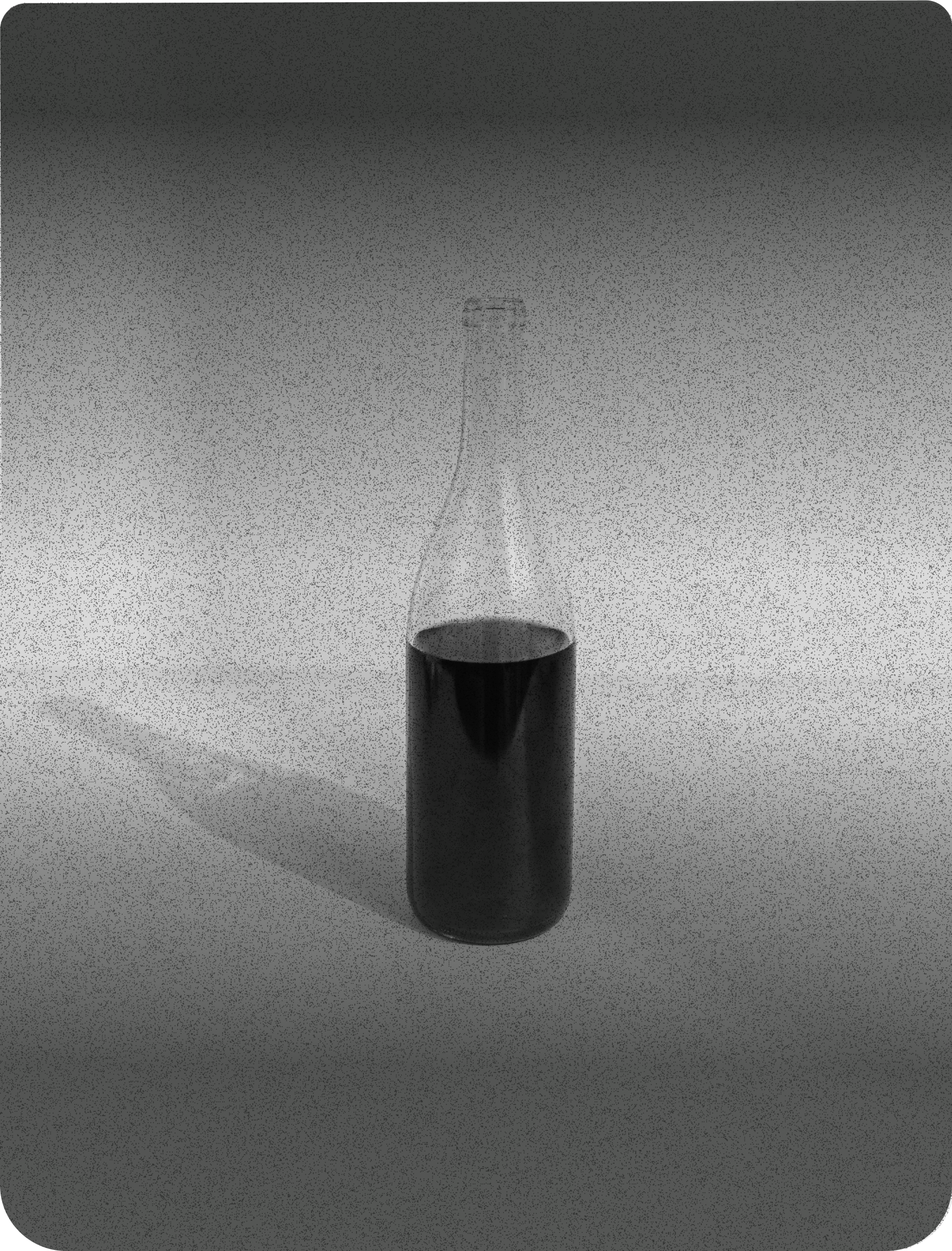
Amarone della Valpolicella Classico DOCG from Azienda Vinicola Farina is a red wine from the Veneto region of Italy, specifically the Valpolicella Classica sub-region. It is produced using the traditional appassimento method, where grapes are dried for approximately four months to concentrate their sugars and flavors. Azienda Vinicola Farina is a historic producer in the region, known for its dedication to traditional winemaking. The blend of grapes, including Corvina, Corvinone, Rondinella, Molinara, Oseleta, and Turchetta, contributes to the wine's complex profile. The name 'Amarone' itself signifies a departure from the sweeter Recioto wines of the area, highlighting its distinct character.
ALCOHOL
15.0%
AVG. PRICE
€31
STYLE
Classic
SULPHITES
NO
When to drink
Now or Later
Ideal temperature
16-18°C
INTERESTING FACTS
Fact 01
Amarone's name comes from 'amaro' (bitter), distinguishing it from the sweeter Recioto wine.
Fact 02
Grapes for Amarone are dried for about four months, concentrating sugars and flavors.
Fact 03
The blend can include up to six different indigenous grape varieties.
Fact 04
The appassimento process can reduce grape weight by up to 40%.
FOOD PAIRING
Read more
WINE MAKING PROCESS
The production of this Amarone della Valpolicella Classico DOCG begins with the careful selection of grapes, which are then subjected to the appassimento process. This involves drying the grapes for approximately four months in traditional sheds, concentrating their sugars and flavors. Following drying, the grapes are vinified, typically involving extended maceration. The wine is then aged for 18 months, with a significant portion (70%) maturing in Slavonian oak barrels and the remainder (30%) in barriques. Further aging takes place in cement tanks and in the bottle before release.