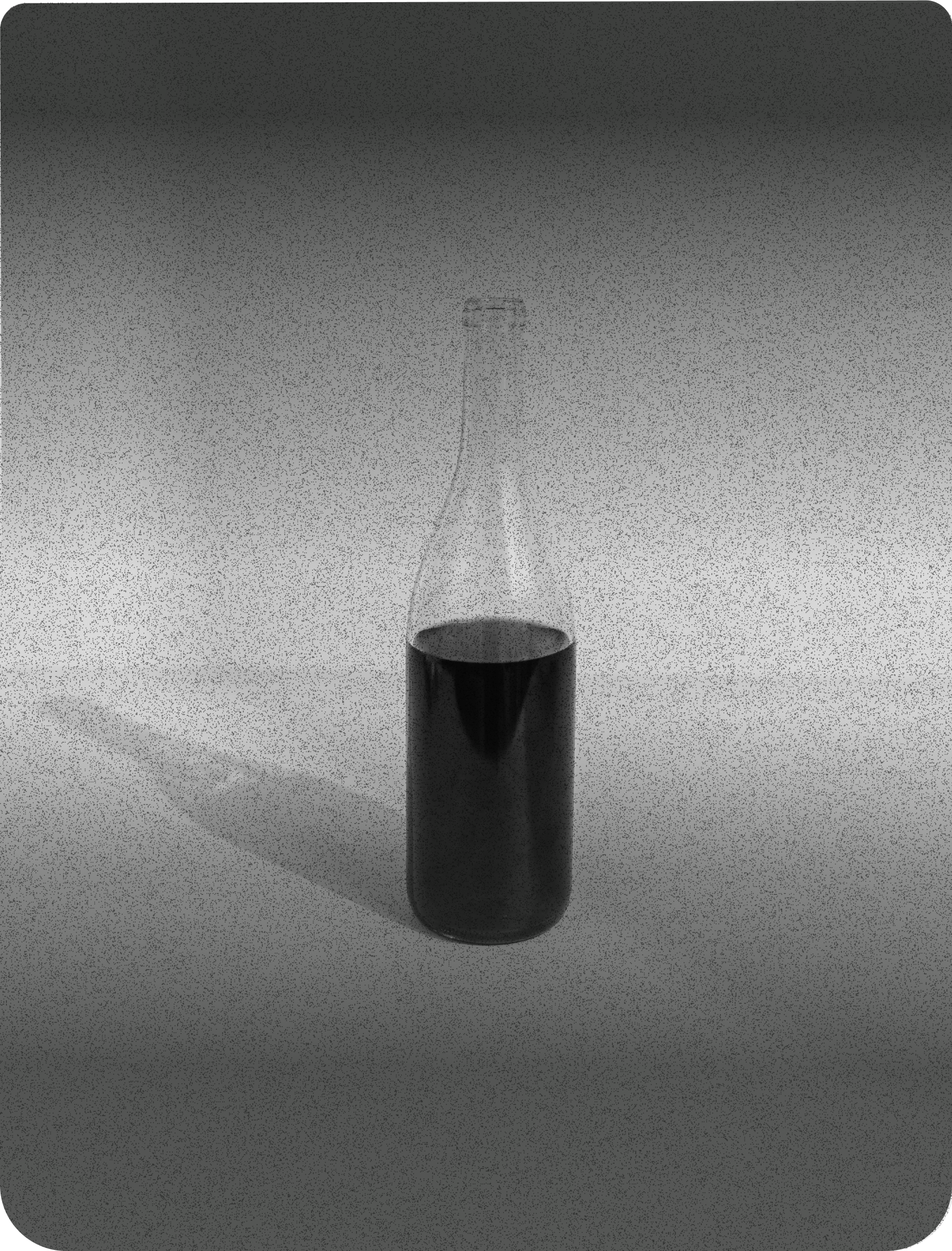
COLOUR
Red
TYPE
Still
VINTAGE
2018
GRAPE
Corvina, Corvinone, Rondinella, Molinara
PRODUCER
Tommaso Bussola
REGION
Veneto
CHARACTERISTICS
Body
Full
Sweetness
Dry
Acidity
Medium - High
Finish
Long
Intensity
Pronounced
Tannins
AROMAS & FLAVOURS
ABOUT THIS WINE
The Bussola Amarone della Valpolicella Classico 2018 is a distinguished red wine from the Valpolicella Classico DOCG appellation in Veneto, Italy, produced by Azienda Agricola Tommaso Bussola. Tommaso Bussola, who took over his uncle's estate in the mid-1980s, is known for his meticulous approach to winemaking. His philosophy centers on expressing the intensity of fruit and the traditional Amarone style with balance and focus. The wine's unique character is shaped by the traditional 'appassimento' method, where grapes are dried for approximately four months, and an extended aging period of 48 months in a combination of tonneaux, barriques, and larger barrels. The 2018 vintage is described as rich and harmonious, showcasing fine balance and focus.
ALCOHOL
17.0%
AVG. PRICE
€78
STYLE
Classic
SULPHITES
YES
When to drink
Now or Later
Ideal temperature
16-18°C
INTERESTING FACTS
Fact 01
Grapes are dried for approximately four months to concentrate flavors.
Fact 02
The wine undergoes 48 months of aging in a combination of barrels.
Fact 03
Vineyards are farmed without chemicals or pesticides.
Fact 04
Tommaso Bussola transitioned from stonemasonry to winemaking.
FOOD PAIRING
Read more
WINE MAKING PROCESS
The production of Bussola Amarone della Valpolicella Classico begins with a mid-September harvest. The key technique is 'appassimento,' where grapes are dried on racks or plateaux for approximately four months to concentrate sugars and flavors. After drying, grapes are pressed, and fermentation commences with selected yeasts, involving diligent pumping-overs and delestage for 50 days. Vinification typically occurs after December 1st following the harvest. The wine then undergoes an extended aging period of 48 months in a combination of twice-used tonneaux, barriques, and larger barrels. Vineyards are managed using sustainable practices, without chemicals or pesticides.