COLOUR
White
TYPE
Still
VINTAGE
2021
GRAPE
Trebbiano Toscano
PRODUCER
Fratelli Falzari
REGION
Toscana
CHARACTERISTICS
Body
Medium
Sweetness
Dry
Acidity
Medium - High
Finish
Medium - Long
Intensity
AROMAS & FLAVOURS
ABOUT THIS WINE
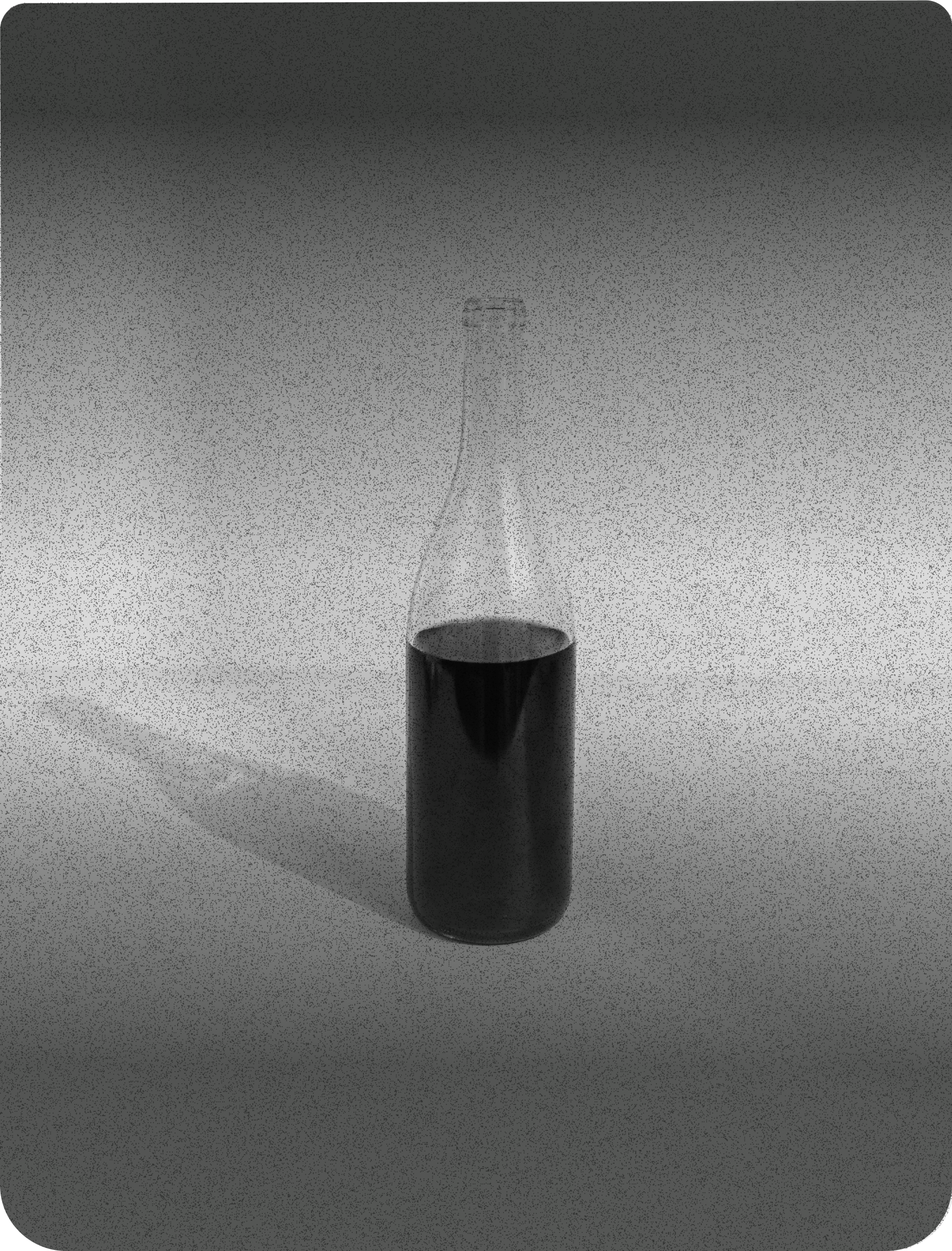
The Fratelli Falzari Assentada 2021 is a white wine from Tuscany, Italy, made from 100% Trebbiano Toscano grapes. It is cultivated using organic and biodynamic farming practices. The winery, Fratelli Falzari, is a family-run estate in Vinci, Tuscany, dedicated to expressing the authentic character of the vine and territory through natural winemaking. The name 'Assentada' suggests a grounded quality, reflecting the wine's connection to the earth and its biodynamic production. The winemaking process involves extended maceration in terracotta amphora, emphasizing a natural and traditional approach. This wine's distinctiveness lies in its varietal, biodynamic cultivation, and unique vinification in terracotta amphora with extended skin contact, which is unusual for a white wine.
ALCOHOL
12.5%
AVG. PRICE
€18
STYLE
Natural
SULPHITES
YES
When to drink
Now or Later
Ideal temperature
10-10°C
INTERESTING FACTS
Fact 01
Made from Trebbiano Toscano, a grape often used for blending, here it shines solo.
Fact 02
Fermented and aged in terracotta amphora, a traditional winemaking vessel.
Fact 03
Extended skin contact for a white wine is a distinctive technique.
Fact 04
The name 'Assentada' means 'settled' or 'grounded'.
FOOD PAIRING
Read more
WINE MAKING PROCESS
The Assentada is produced from 100% Trebbiano Toscano grapes cultivated using organic and biodynamic methods. The grapes are harvested with good acidity. Vinification involves spontaneous alcoholic fermentation in terracotta amphora at low temperatures, with daily punch-downs. A key technique is the extended maceration on skins, lasting between 50 to 120 days, followed by aging in terracotta amphora with batonnage on lees. The wine then matures in concrete or steel containers for approximately one year before undergoing bottle aging for at least 8-12 months. Malolactic fermentation often occurs during the extended skin contact period.