COLOUR
Red
TYPE
Still
VINTAGE
2019
GRAPE
Blaufränkisch
PRODUCER
Weingut Heinrich
REGION
Burgenland
CHARACTERISTICS
Body
Medium - Full
Sweetness
Dry
Acidity
Medium - High
Finish
Medium - Long
Intensity
Mid - Pronounced
Tannins
Medium
AROMAS & FLAVOURS
ABOUT THIS WINE
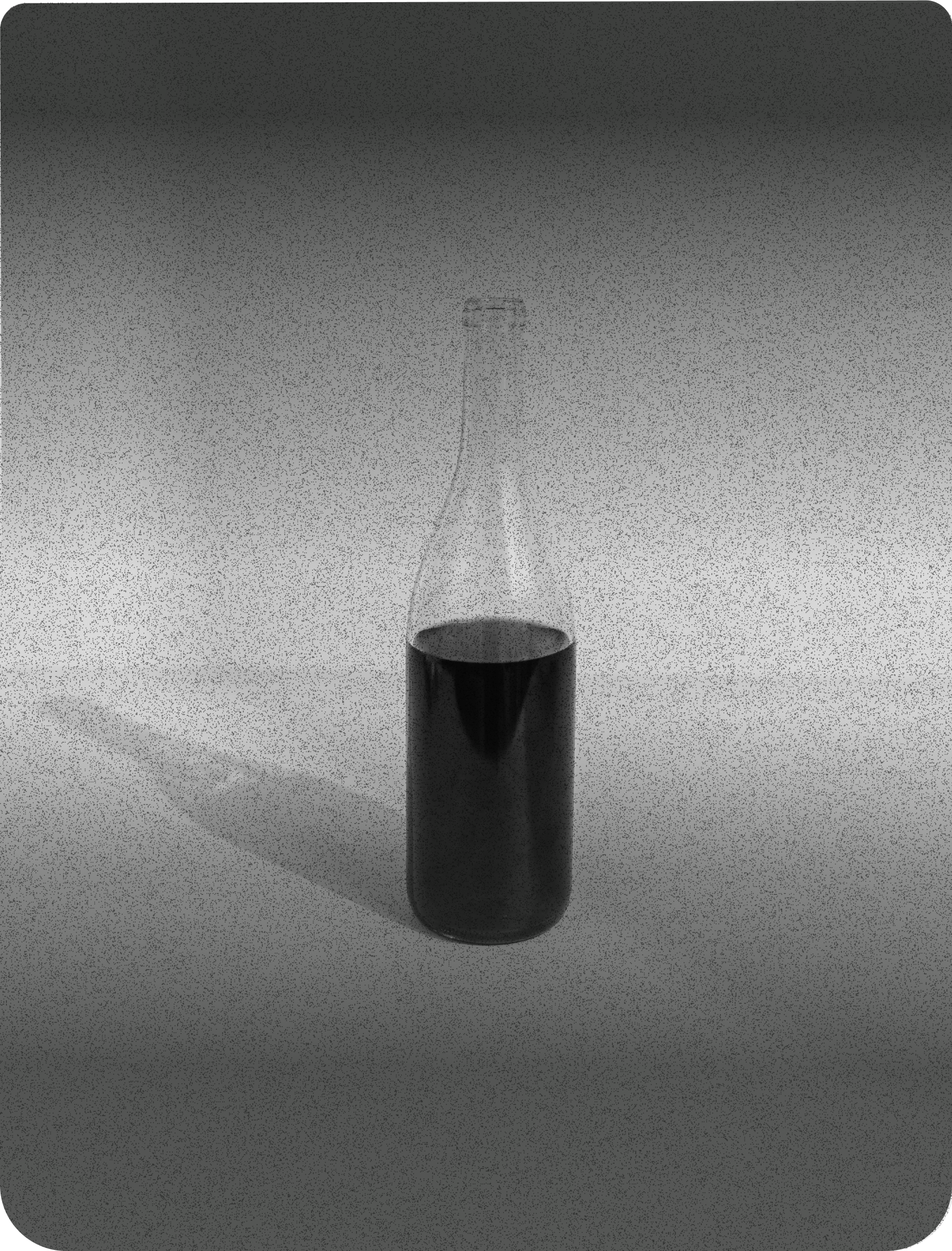
The Heinrich Leithaberg Blaufränkisch 2019 is crafted by Weingut Heinrich, led by Gernot and Heike Heinrich, in Austria's Burgenland region. This wine hails from the Leithaberg (Leitha hills), specifically from old vineyards on south-east facing slopes in Jois, Winden, and Breitenbrunn, overlooking Lake Neusiedl. The unique terroir, characterized by fossil-rich limestone, calcareous sandstone, and mica schist soils, imparts a distinctive minerality to the wine. Weingut Heinrich is deeply committed to biodynamic viticulture, fostering healthy soil and a biologically diverse ecosystem, which they believe is fundamental to producing high-quality, expressive wines. The 2019 vintage is particularly noted as a 'masterclass in Austrian Blaufränkisch styling,' showcasing a compelling balance of youthful vibrancy and concentrated character, making it a prime example of modern Austrian winemaking that marries power with elegance and transparency.
ALCOHOL
13.0%
AVG. PRICE
€23
STYLE
Classic
VEGAN
YES
SULPHITES
When to drink
Now or Later
Ideal temperature
16-18°C
INTERESTING FACTS
Fact 01
Weingut Heinrich practices biodynamic viticulture, emphasizing soil health and a diverse ecosystem in their vineyards.
Fact 02
The wine's distinctive minerality is attributed to the unique fossil-rich limestone, calcareous sandstone, and mica schist soils of the Leithaberg DAC.
Fact 03
Grapes are hand-harvested and undergo spontaneous fermentation with indigenous yeasts, reflecting a commitment to natural processes.
Fact 04
The Heinrich Leithaberg Blaufränkisch 2019 is certified as suitable for both vegans and vegetarians.
FOOD PAIRING
Read more
WINE MAKING PROCESS
The viticulture for Heinrich Leithaberg Blaufränkisch 2019 is biodynamic, with a strong emphasis on soil health and biodiversity, including planting shrubs and trees among the vines. Grapes were hand-harvested in mid-September from old vineyards. In the cellar, the wine undergoes spontaneous fermentation using indigenous yeasts in a combination of wooden vats and steel tanks. Following fermentation, the wine macerates on its skins for three weeks before a gentle basket pressing. It is then aged for 18 to 20 months in 500-litre oak barrels, specifically used tonneaux, allowing for subtle evolution without overt oak influence. The wine is bottled without filtration and with only a small amount of sulphur, reflecting a minimal intervention approach.