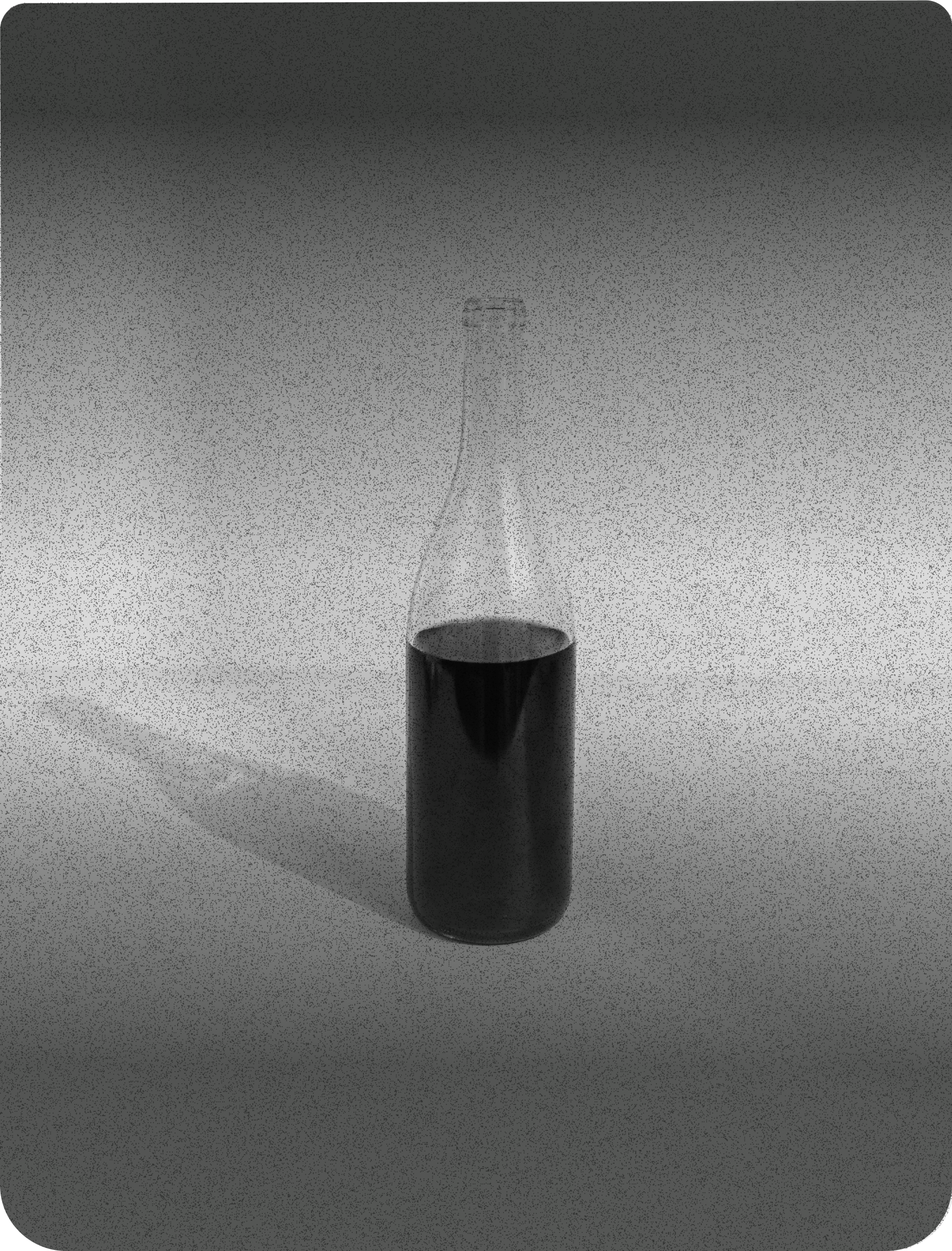
COLOUR
Red
TYPE
Still
VINTAGE
N/A
GRAPE
Gamay
PRODUCER
Domaine des Grottes
REGION
Beaujolais
CHARACTERISTICS
Body
Medium
Sweetness
Dry
Acidity
Medium - High
Finish
Intensity
Mid - Pronounced
Tannins
Low
AROMAS & FLAVOURS
ABOUT THIS WINE
Domaine des Grottes, established in 2002 by Romain des Grottes in Saint-Étienne-des-Oullières, Beaujolais, is dedicated to producing "clean" wines by working with the natural environment. Romain aims to put the vine back into its natural context, focusing on "the invisible (the etheric)" to achieve new balances. "Brut de Cuve" is the domain's flagship cuvée, a natural wine made without any additives or added sulfites. It exemplifies a "primeur" style, released shortly after harvest, and is known for its highly drinkable and refreshing character, though its specific style can vary slightly from year to year, sometimes leaning towards a rosé-like profile.
ALCOHOL
AVG. PRICE
€25
STYLE
Natural
VEGAN
YES
SULPHITES
NO
When to drink
Now
Ideal temperature
10-12°C
INTERESTING FACTS
Fact 01
Domaine des Grottes is certified organic and biodynamic, using only herbal teas for vineyard treatments.
Fact 02
The wine is made with a short, semi-carbonic maceration of whole grape clusters, lasting only five days.
Fact 03
"Brut de Cuve" is a "primeur" wine, released very shortly after harvest, similar to Beaujolais Nouveau.
Fact 04
The producer aims to work with "the invisible (the etheric)" to find new balances in the vineyard.
FOOD PAIRING
Read more
WINE MAKING PROCESS
The vineyards are located on ancestral lands with granite terroir, surrounded by trees and hedges, promoting biodiversity. The estate is certified organic and biodynamic (Nature & Progres), practicing "enherbement total" (total natural grass cover) and reducing vine density. Only herbal teas and fermented extracts are used for treatments. The wine is made with a short, five-day semi-carbonic maceration of whole grape clusters. Fermentation is initiated with a "pied de cuve," a native yeast starter prepared 8-10 days before the main harvest. Following fermentation, the wine spends just one month in a tank before bottling, ensuring an early release as a primeur wine.