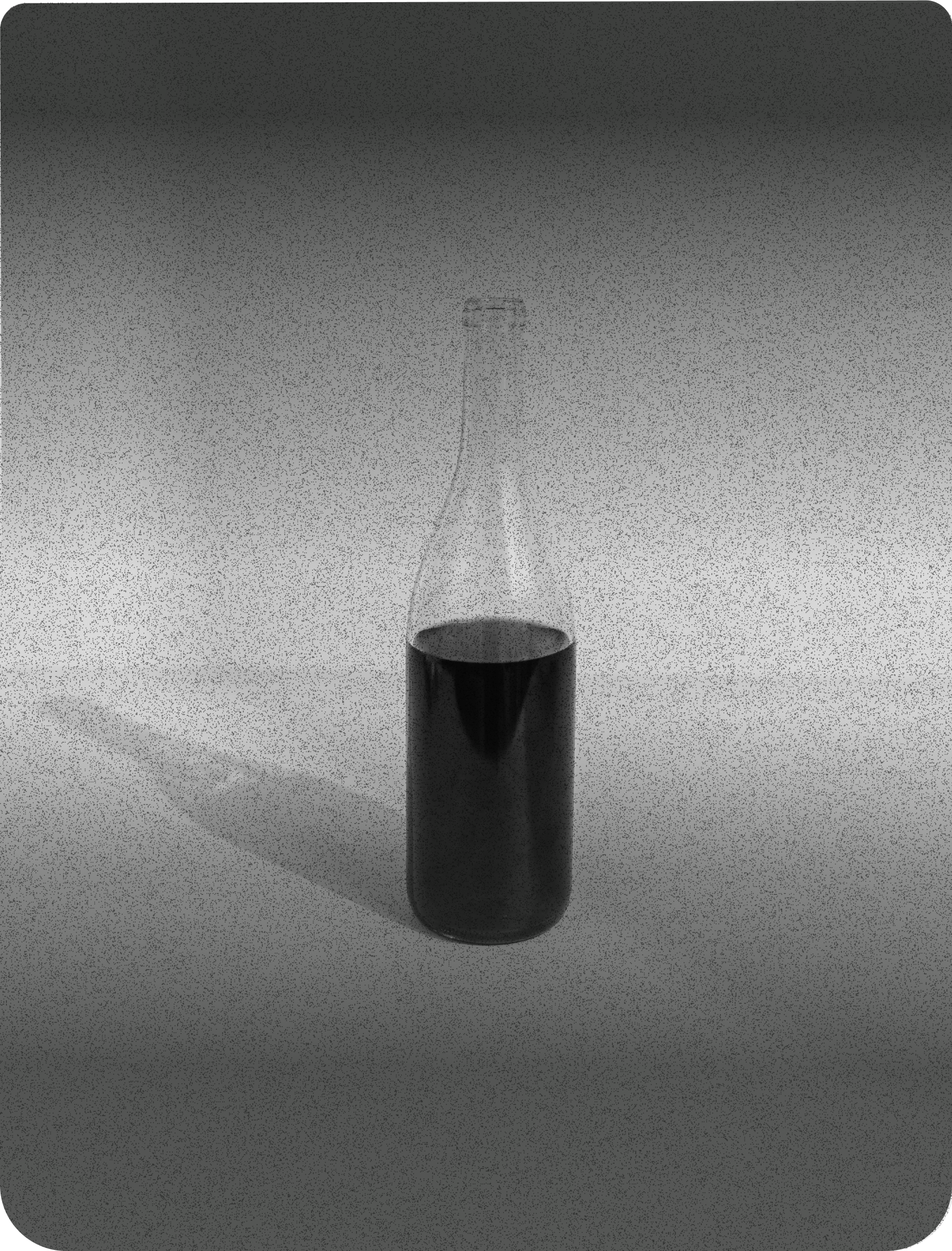
COLOUR
White
TYPE
Still
VINTAGE
2024
GRAPE
Chardonnay
PRODUCER
Bodega y Viñedos Catena
REGION
Mendoza
CHARACTERISTICS
Body
Medium - Full
Sweetness
Dry
Acidity
High
Finish
Medium - Long
Intensity
Mid - Pronounced
AROMAS & FLAVOURS
ABOUT THIS WINE
Bodega Catena Zapata, established in 1902 by Italian immigrant Nicola Catena, is widely credited with putting Argentine wine on the world map. Under the visionary leadership of Nicolás Catena Zapata, the estate pioneered extreme high-altitude viticulture in Mendoza, proving that cool-climate sites could produce world-class wines. Today, the estate is managed by fourth-generation vintner Dr. Laura Catena and chief winemaker Alejandro Vigil. The 'High Mountain Vines' Chardonnay is a masterclass in multi-altitude blending, sourcing fruit from select estate vineyards in the Uco Valley and Tupungato. By combining grapes from different elevations, the winemaking team captures a perfect balance of vibrant mountain acidity, rich fruit concentration, and structural depth.
ALCOHOL
13.3%
AVG. PRICE
€20
STYLE
Classic
SULPHITES
YES
When to drink
Now or Later
Ideal temperature
10-12°C
INTERESTING FACTS
Fact 01
Founded in 1902, Catena Zapata pioneered extreme high-altitude viticulture, transforming Argentina's winemaking reputation.
Fact 02
The grapes for this wine are sourced from extreme high-altitude vineyards up to 1,450 meters above sea level, where cool temperatures preserve natural acidity.
Fact 03
To preserve its signature crispness, 30% of this Chardonnay is blocked from undergoing malolactic fermentation.
FOOD PAIRING
Read more
WINE MAKING PROCESS
The winemaking process for the High Mountain Vines Chardonnay focuses on preserving fresh acidity while building a textured, complex mouthfeel. Whole clusters are gently pressed or undergo cold settling for 8 to 18 hours. Fermentation takes place over 15 to 25 days at a maximum temperature of 17°C using wild yeasts. This fermentation is split between stainless steel tanks and French oak barrels. To enhance complexity and texture, the wine undergoes lees stirring (bâtonnage). To maintain the wine's crisp, vibrant profile, 30% of the blend is blocked from undergoing malolactic fermentation. Finally, the wine is aged for 10 to 12 months in 225-liter French oak barrels (a mix of first, second, and third-use) in contact with its lees.