COLOUR
Red
TYPE
Still
VINTAGE
2023
GRAPE
Cabernet Sauvignon 91%, Cabernet Franc 7%, Petit Verdot 2%
PRODUCER
Bodega Y Viñedos Catena
REGION
Mendoza
CHARACTERISTICS
Body
Full
Sweetness
Dry
Acidity
Medium - High
Finish
Long
Intensity
Pronounced
Tannins
AROMAS & FLAVOURS
ABOUT THIS WINE
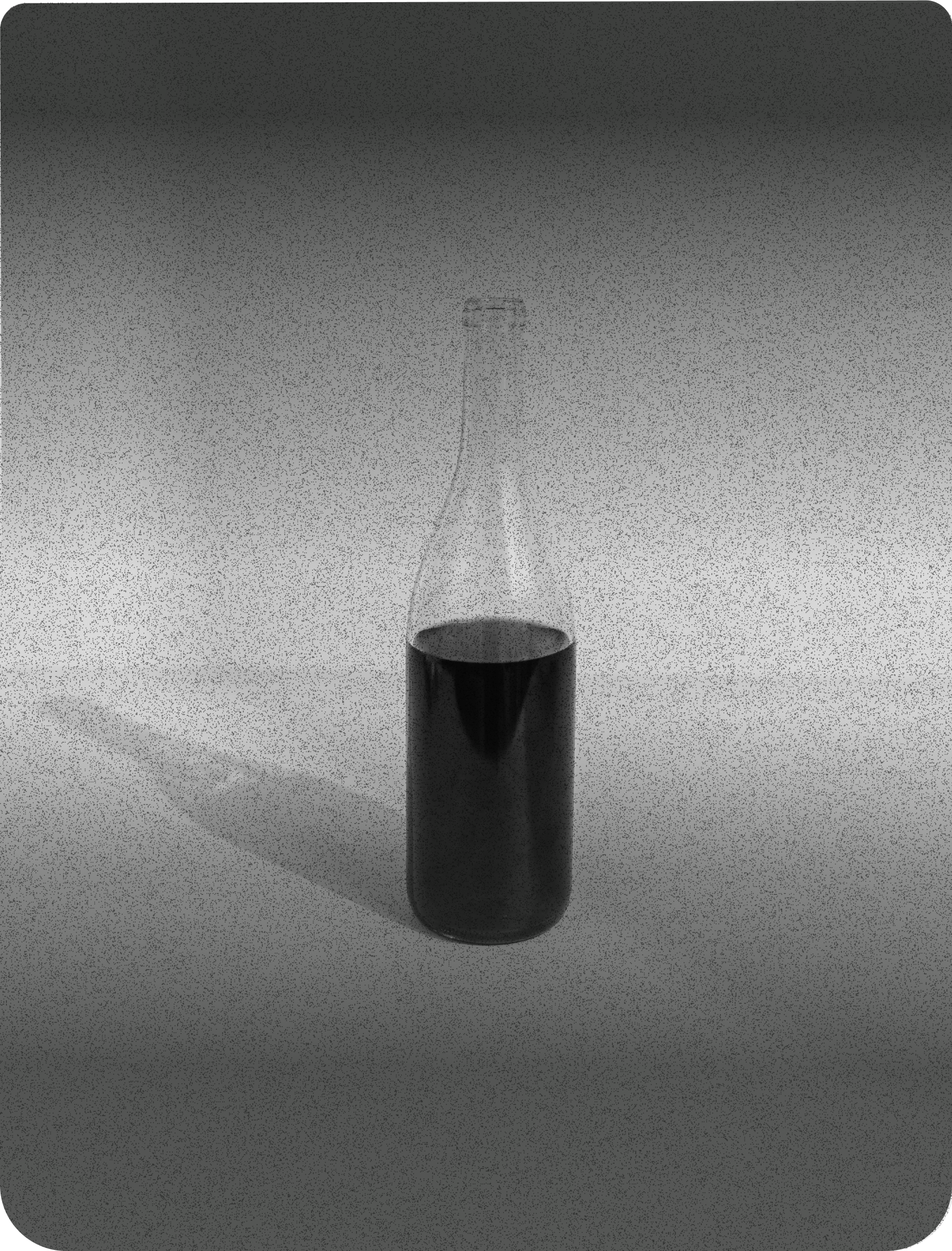
The Catena High Mountain Vines Cabernet Sauvignon 2023 is a red wine from Mendoza, Argentina, produced by Bodega Y Viñedos Catena. This wine is a blend, with Cabernet Sauvignon as the dominant grape, complemented by Cabernet Franc and Petit Verdot. It originates from a selection of four high-altitude estate vineyards, reflecting the Catena family's extensive research and pioneering work in extreme terroirs. The 2023 vintage was characterized by challenging conditions, including spring frosts and a dry climate, leading to lower yields and an earlier harvest. These factors contributed to wines with notable elegance, acidity, and minerality, suggesting good aging potential. Bodega Catena Zapata, founded in 1902, has a long-standing reputation for quality and innovation in Argentine winemaking, with a focus on high-altitude viticulture.
ALCOHOL
13.5%
AVG. PRICE
€20
STYLE
Classic
When to drink
Now or Later
Ideal temperature
16-18°C
INTERESTING FACTS
Fact 01
The Catena family has been instrumental in reviving Malbec's reputation and discovering the potential of high-altitude viticulture in Argentina.
Fact 02
Grapes are sourced from four specific estate vineyards: Agrelo, Villa Bastías, Altamira, and El Cepillo, each at different elevations.
Fact 03
The 2023 vintage experienced an unusually early harvest, 2-4 weeks ahead of schedule.
Fact 04
The wine is a blend, primarily Cabernet Sauvignon, with smaller percentages of Cabernet Franc and Petit Verdot.
FOOD PAIRING
Read more
WINE MAKING PROCESS
The Catena High Mountain Vines Cabernet Sauvignon is produced using grapes from four distinct high-altitude estate vineyards in Mendoza. The winemaking process involves fermentation in stainless steel tanks for 12-16 days, followed by a post-fermentation maceration of 20-23 days, with wild yeasts employed for fermentation. The wine then undergoes aging for 6 to 8 months in a mix of first, second, and third-use oak barrels. This approach aims to capture the essence of the high-altitude terroirs and create a wine with natural balance and concentration.