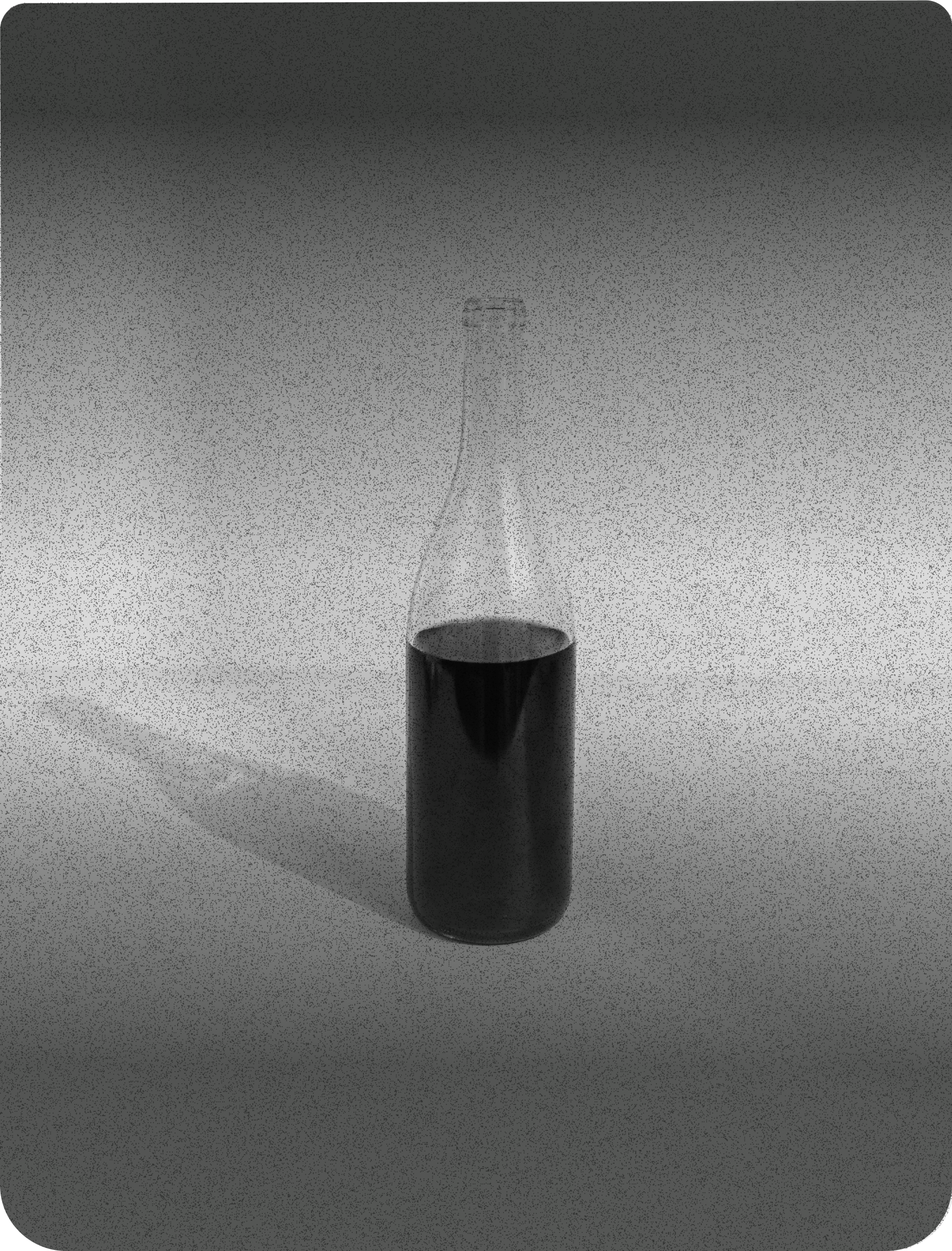
COLOUR
Red
TYPE
Still
VINTAGE
2023
GRAPE
Grenache, Syrah, Mourvèdre
PRODUCER
Château de Trinquevedel
REGION
Rhône
CHARACTERISTICS
Body
Medium
Sweetness
Dry
Acidity
Medium - High
Finish
Intensity
Mid - Pronounced
Tannins
Medium - Low
AROMAS & FLAVOURS
ABOUT THIS WINE
Château de Trinquevedel, located in the hills of the Southern Rhône Valley, is a historic estate renowned for producing some of the finest, most structured rosés in the Tavel appellation. Now managed by the fourth generation of the Demoulin family, Céline and Guillaume, the estate has expanded its portfolio with the 'Ce Qui Nous Lie' cuvées. Translating to 'What Binds Us,' this organic red wine is crafted as a 'sharing wine' (vin de partage) to celebrate their deep connection to the land, their family history, and their passion for sustainable viticulture. It represents a fresh, modern approach to Côtes du Rhône, emphasizing elegance and drinkability.
ALCOHOL
14.0%
AVG. PRICE
€14
STYLE
Classic
SULPHITES
YES
When to drink
Now or Later
Ideal temperature
14-16°C
INTERESTING FACTS
Fact 01
The name 'Ce Qui Nous Lie' translates to 'What Binds Us,' symbolizing the winemakers' shared love, history, and connection to their land.
Fact 02
Château de Trinquevedel is historically famous for Tavel rosés, making this fresh red a unique expansion of their traditional lineup.
Fact 03
To achieve an ultra-supple texture, the winemakers completely avoid punching down (pigeage), relying only on gentle pumping over.
FOOD PAIRING
Read more
WINE MAKING PROCESS
The grapes for this cuvée—75% Grenache, 13% Syrah, and 12% Mourvèdre—are grown on sandy, gravelly, and clay-limestone soils. The vineyards are certified organic and harvested manually with strict sorting. In the cellar, the grapes undergo 100% destemming followed by a two-week maceration in temperature-controlled, epoxy-lined concrete tanks. Fermentation is carried out using indigenous yeasts. To preserve the delicate, silky texture of the tannins, extraction is kept extremely gentle, utilizing only pumping over (remontage) rather than punching down (pigeage). The wine undergoes complete malolactic fermentation and is aged for seven months in concrete tanks to maintain pure fruit expression without any oak influence, followed by a light filtration before bottling.