COLOUR
Red
TYPE
Still
VINTAGE
N/A
GRAPE
Arinto dos Açores, Verdelho, Tinta Negra, Isabella
PRODUCER
Insula Vinus
REGION
Pico Island
CHARACTERISTICS
Body
Medium
Sweetness
Dry
Acidity
Medium - High
Finish
Long
Intensity
Mid - Pronounced
Tannins
Low
AROMAS & FLAVOURS
ABOUT THIS WINE
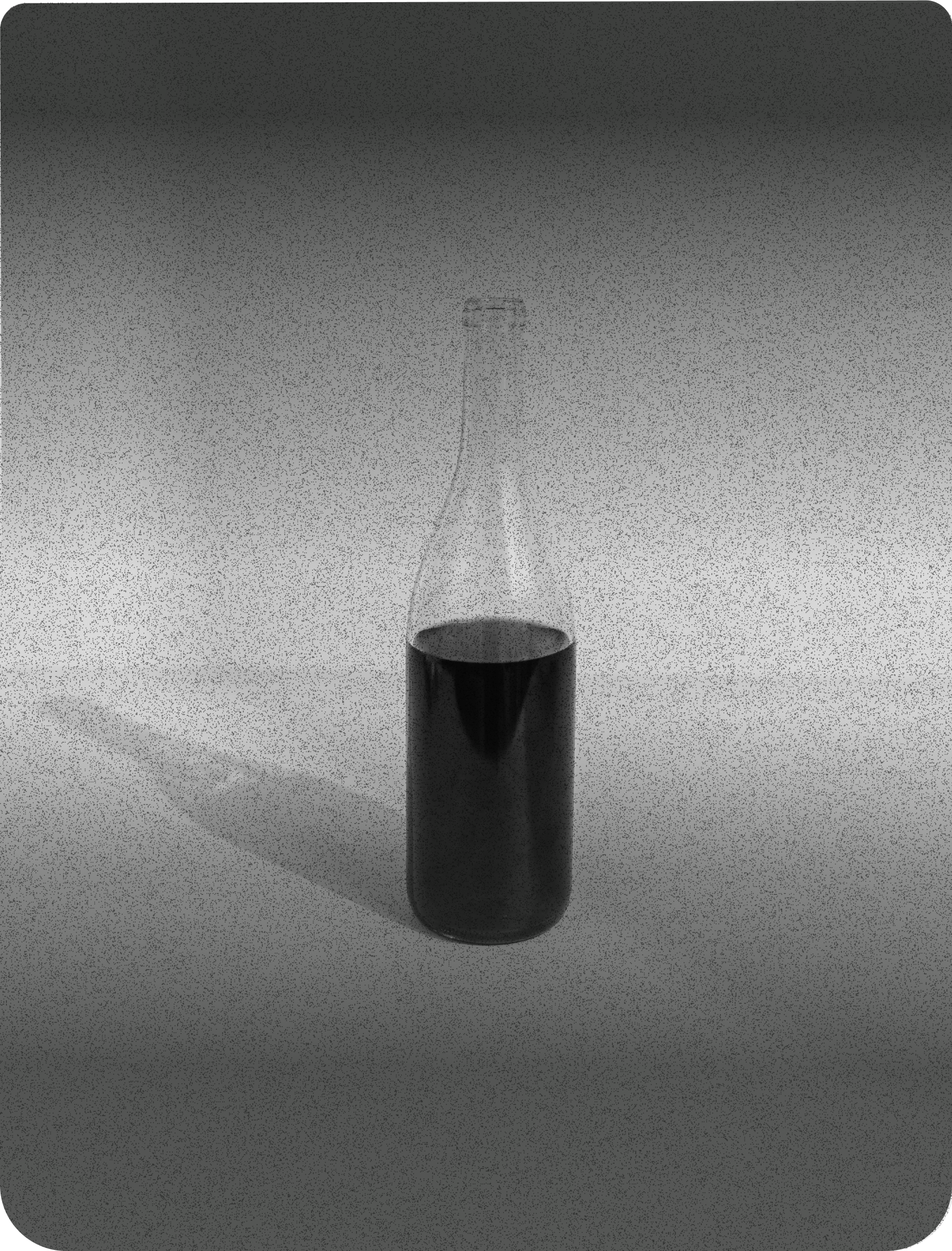
Chão de Sal, meaning "Soil of Salt," is a unique and "secret" wine from Pico Island in the Azores, Portugal, crafted by local winemaker Paulo Machado under his personal project, Insula Vinus. Machado, a prominent figure in Azorean wine and co-founder of Azores Wine Company, established Insula Vinus in 2006 to express the island's distinctive terroir. This wine is particularly special as it deliberately operates outside official EU regulations, prioritizing traditional methods and taste over strict classifications. Sourced from one of the oldest vineyards in São Mateus on the cooler, southern side of Mount Pico, Chão de Sal embodies the island's volcanic and maritime character, reflecting a deep connection to its origins.
ALCOHOL
AVG. PRICE
€35
STYLE
Natural
SULPHITES
YES
When to drink
Now
Ideal temperature
12-14°C
INTERESTING FACTS
Fact 01
"Chão de Sal" translates to "Soil of Salt," reflecting its strong maritime influence.
Fact 02
This wine is a traditional *palhete*, a co-ferment of indigenous red and white grapes.
Fact 03
It's produced outside official EU wine regulations, prioritizing tradition over rules.
Fact 04
The ancient vines are protected by unique dry-stone walls called *currais*.
FOOD PAIRING
Read more
WINE MAKING PROCESS
The grapes for Chão de Sal are sourced from ancient vineyards on Pico Island, planted on black volcanic basalt soils. The vines are meticulously protected from the harsh Atlantic winds and sea spray by traditional stone walls known as *currais*. The cooler microclimate on the south side of Mount Pico, often shrouded in fog, naturally preserves the grapes' acidity. Grapes are hand-harvested into small 15 kg crates to ensure their pristine condition. In the cellar, the red and white grape varieties—Arinto dos Açores, Verdelho, Tinta Negra, and Isabella—are gently pressed together and co-fermented in stainless steel tanks, reflecting a philosophy of minimal intervention to allow the unique terroir to shine through.