COLOUR
White
TYPE
Still
VINTAGE
2023
GRAPE
Trebbiano Toscano, Trebbiano Abbruzzese, Bombino Bianco
PRODUCER
Soc Coop Ag Olearia Vinicola Orsogna
REGION
Abruzzo
CHARACTERISTICS
Body
Medium
Sweetness
Dry
Acidity
Medium - High
Finish
Intensity
AROMAS & FLAVOURS
ABOUT THIS WINE
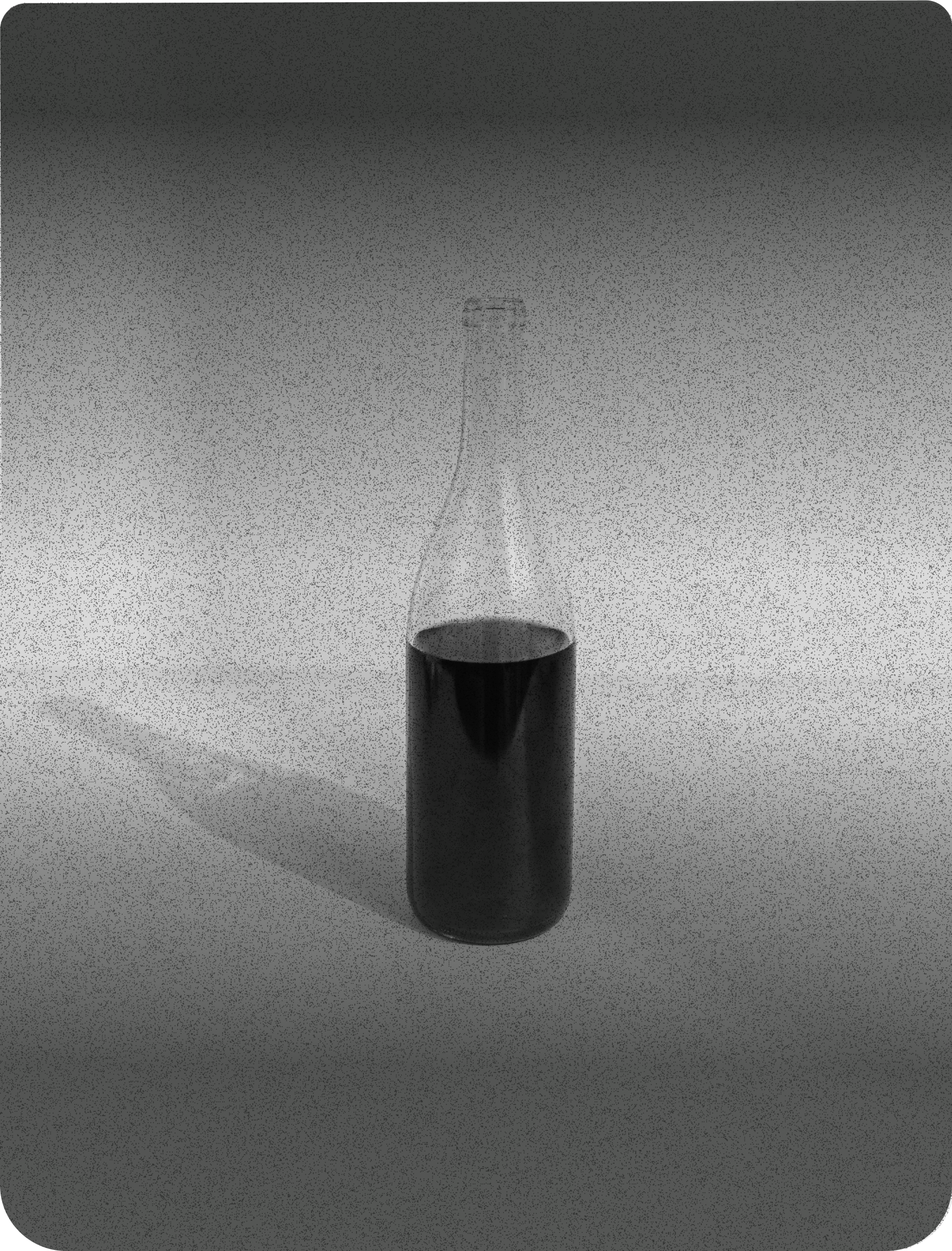
Charisma Lunaria Trebbiano d'Abruzzo is a white wine from the Abruzzo region of Italy, produced by Soc Coop Ag Olearia Vinicola Orsogna. This cooperative, established in 1964, comprises over 500 partners and is recognized for its significant commitment to organic and biodynamic farming practices. The wine is part of the Lunaria line, which is associated with their biodynamic approach, emphasizing harmony with nature and lunar cycles. The grapes used are primarily Trebbiano Toscano, Trebbiano Abbruzzese, and Bombino Bianco, all native to Italy. Orsogna's vineyards are situated in hilly areas between 400-500 meters above sea level. The cooperative's dedication to sustainability and biodiversity is a core aspect of their identity and winemaking philosophy.
ALCOHOL
AVG. PRICE
STYLE
Natural
VEGAN
YES
SULPHITES
When to drink
Now or Later
Ideal temperature
8-12°C
INTERESTING FACTS
Fact 01
Over 80% of Orsogna's vineyards are certified organic.
Fact 02
A significant portion of their vineyards are Demeter certified biodynamic.
Fact 03
Orsogna is recognized as one of Italy's largest producers of organic and biodynamic wines.
Fact 04
The Lunaria line features animal imagery on its labels, symbolizing a connection to nature.
FOOD PAIRING
Read more
WINE MAKING PROCESS
The winemaking process for Charisma Lunaria Trebbiano d'Abruzzo emphasizes the preservation of the grape's natural characteristics. Grapes are typically fermented in stainless steel tanks at controlled temperatures to maintain freshness and aromatic integrity. The wine is generally intended for early release, highlighting its youthful vibrancy. The producer, Soc Coop Ag Olearia Vinicola Orsogna, is deeply committed to organic and biodynamic viticulture, with over 80% of their vineyards certified organic and a significant portion biodynamic. These practices are integral to their winemaking philosophy, aiming to produce wines that are a true expression of the land and cultivated with respect for natural cycles.