COLOUR
Red
TYPE
Still
VINTAGE
2023
GRAPE
Gamay
PRODUCER
Château Cambon
REGION
Beaujolais
CHARACTERISTICS
Body
Light
Sweetness
Dry
Acidity
Medium - High
Finish
Medium
Intensity
Tannins
Low
AROMAS & FLAVOURS
ABOUT THIS WINE
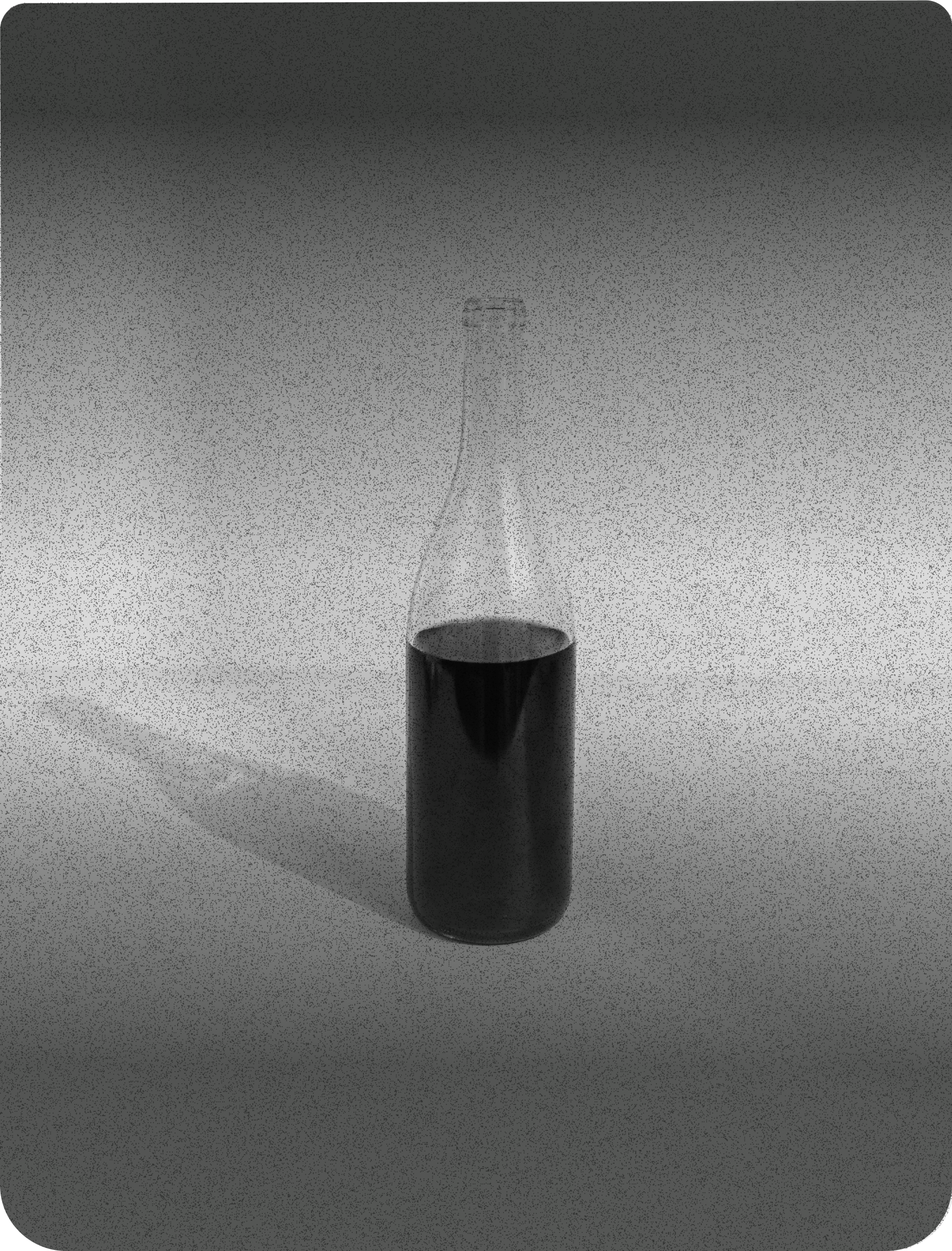
Château Cambon Beaujolais is the result of a significant collaboration between two influential Beaujolais producers, Marcel Lapierre and Joseph Chamonard, often referred to as part of the "Gang of Five." This venture embodies a return to traditional, natural winemaking principles, focusing on minimal intervention to allow the wine to truly express its unique terroir. The vineyard, located in St. Jean d'Ardieres between the crus of Morgon and Brouilly, boasts exceptionally old vines, with some parcels dating back to 1914, contributing to the wine's depth and complexity. This wine is celebrated for being a "real fruit bomb" from these ancient vines, crafted to be complex, inviting, and distinctly acidic, making it an excellent food-pairing companion.
ALCOHOL
12.0%
AVG. PRICE
€22
STYLE
Natural
SULPHITES
YES
When to drink
Now
Ideal temperature
12-14°C
INTERESTING FACTS
Fact 01
Château Cambon is a joint venture between two legendary Beaujolais producers, Marcel Lapierre and Joseph Chamonard.
Fact 02
The wine is made from exceptionally old Gamay vines, with some parcels planted as far back as 1914.
Fact 03
Only about 1,250 bottles are produced each vintage, making it a rare and sought-after wine.
Fact 04
The winemaking adheres strictly to organic and biodynamic principles, with minimal intervention.
FOOD PAIRING
Read more
WINE MAKING PROCESS
The winemaking at Château Cambon is deeply rooted in organic and biodynamic practices, ensuring the health of the vineyard and the purity of the fruit. Grapes are meticulously grown without synthetic herbicides or pesticides. Harvests are conducted late to ensure optimal ripeness, followed by rigorous sorting of the grapes. Fermentation occurs spontaneously with natural yeasts in large 7,000-liter ancient foudres. The philosophy is non-interventionist, meaning little to no sulfites are added, and chaptalization is avoided. Following fermentation, the wine is aged for 9 months in 216-liter used oak barrels, allowing it to develop character and texture without imparting overt oak flavors, before a limited production of only 1,250 bottles per vintage.