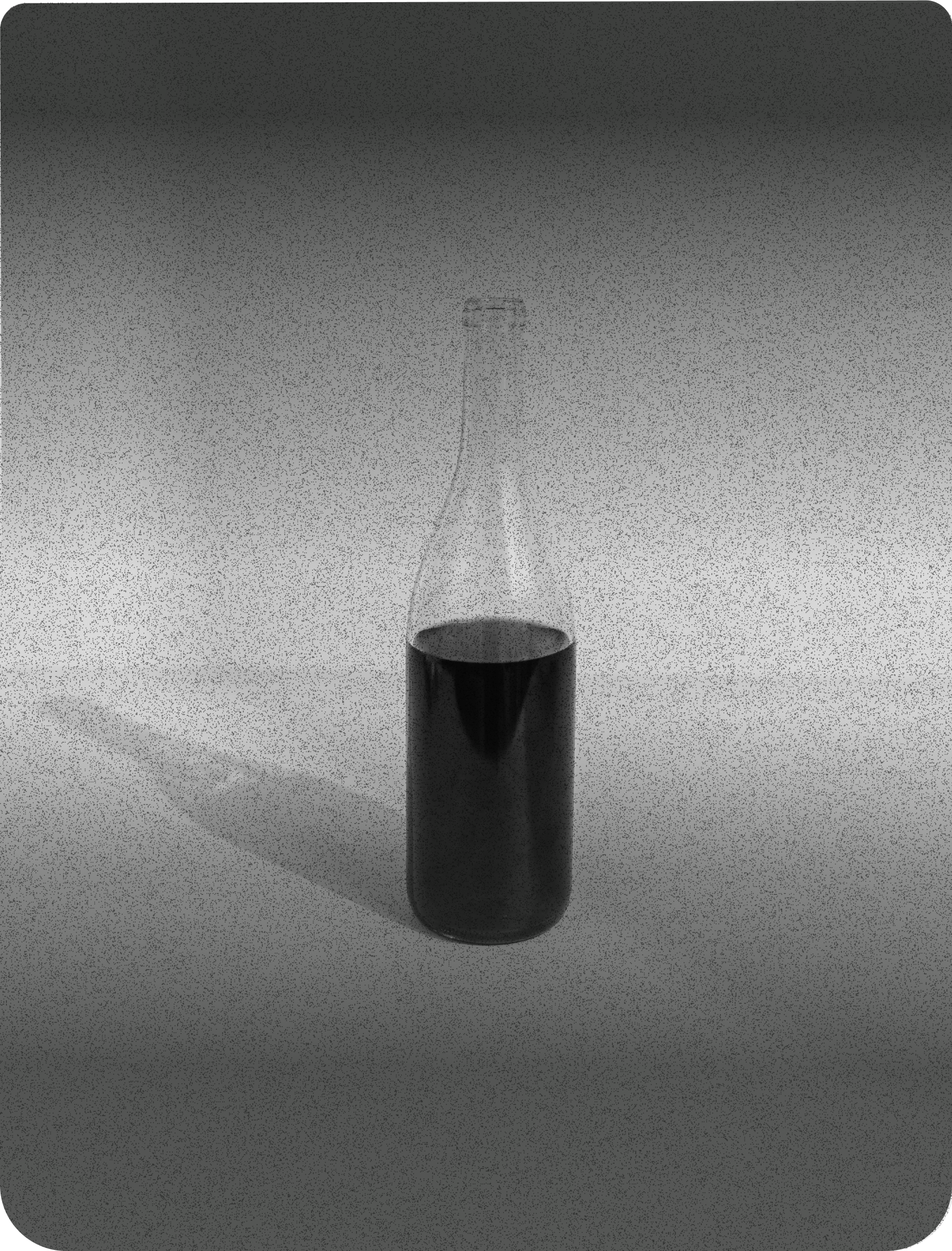
COLOUR
Red
TYPE
Still
VINTAGE
2019
GRAPE
Merlot, Cabernet Sauvignon
PRODUCER
Château de Courteillac
REGION
Bordeaux
CHARACTERISTICS
Body
Medium
Sweetness
Dry
Acidity
Medium - High
Finish
Intensity
Tannins
AROMAS & FLAVOURS
ABOUT THIS WINE
Château de Courteillac is a historic estate dating back to the 16th century, located in the Entre-Deux-Mers region of Bordeaux, France. For four generations, the property has been managed by the Rayne family, beginning with Marius Rayne who planted the first vines after World War II. Today, his descendants, including cellar master Jérémy Rayne, continue to run the estate. Situated on one of the highest clay-limestone outcrops in the region, the vineyard shares a geological profile with the nearby Saint-Émilion plateau, allowing the estate to produce wines of remarkable structure and character. The estate has achieved a dedicated following, particularly in Canada, where it has become one of the most popular estate-bottled Bordeaux wines.
ALCOHOL
13.0%
AVG. PRICE
€11
STYLE
Classic
SULPHITES
YES
When to drink
Now or Later
Ideal temperature
16-18°C
INTERESTING FACTS
Fact 01
Managed by the Rayne family for four generations, the estate's history dates back to the 16th century.
Fact 02
The vineyard sits on clay-limestone soils geologically identical to the prestigious Saint-Émilion plateau.
Fact 03
It is a cult favorite in Canada, ranking as the #1 Bordeaux Château wine sold across multiple provinces.
FOOD PAIRING
Read more
WINE MAKING PROCESS
The winemaking process at Château de Courteillac combines traditional Bordeaux methods with modern temperature-controlled techniques. Grapes are harvested from sustainably farmed vines averaging 15 to 25 years of age. Fermentation takes place in temperature-controlled concrete and stainless steel tanks to preserve the fresh, vibrant fruit characteristics of the Merlot and Cabernet Sauvignon grapes. Following fermentation, the wine is aged primarily in tanks, with a portion of the blend undergoing aging in contact with French oak. This careful oak integration adds structural complexity and subtle spice notes without overpowering the primary fruit profile.