COLOUR
Red
TYPE
Still
VINTAGE
2021
GRAPE
Syrah, Cabernet Sauvignon, Merlot
PRODUCER
Domaines Paul Mas
REGION
Languedoc-Roussillon
CHARACTERISTICS
Body
Medium - Full
Sweetness
Dry
Acidity
Medium
Finish
Long
Intensity
Pronounced
Tannins
Medium - High
AROMAS & FLAVOURS
ABOUT THIS WINE
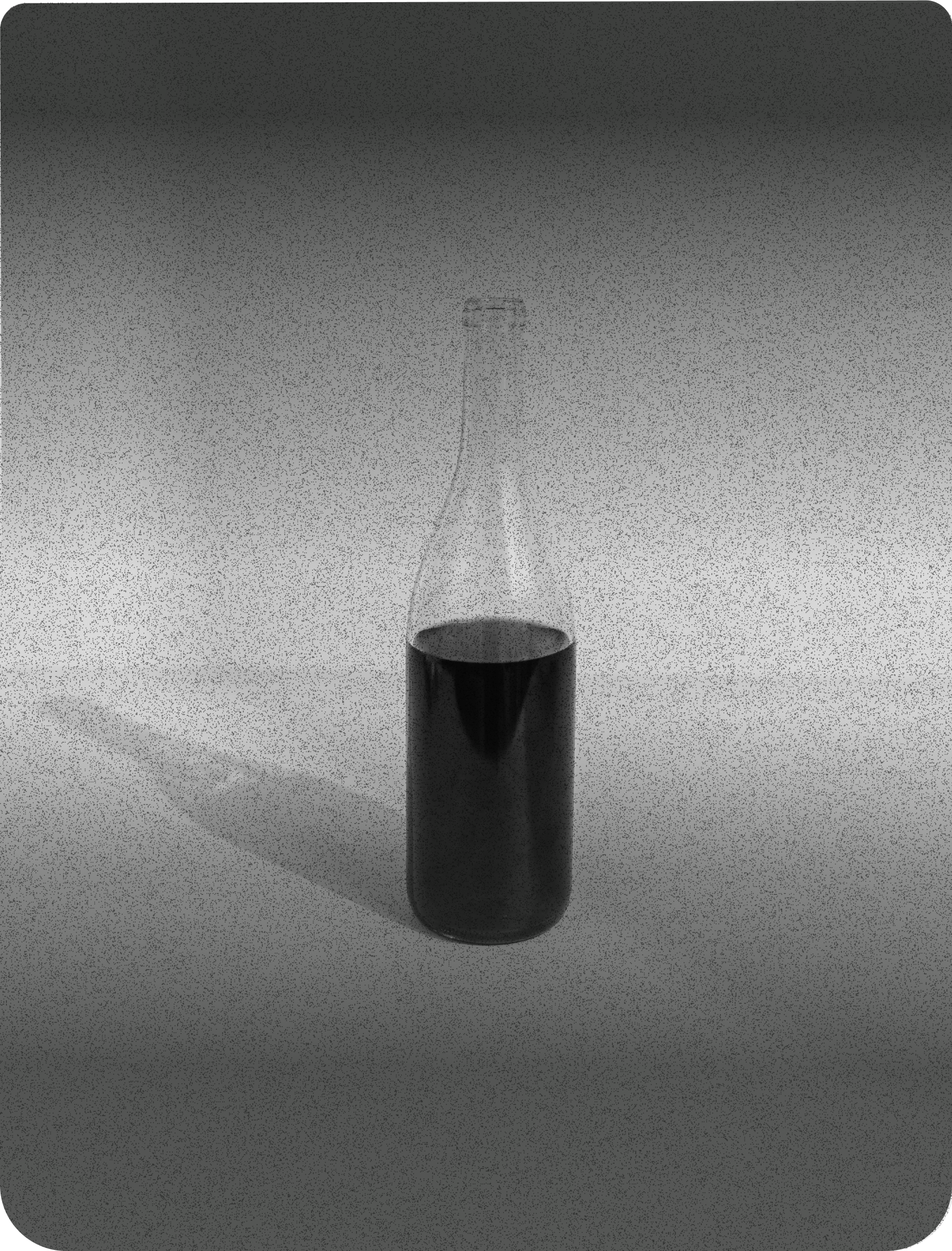
Château Martinolles Limoux Syrah Cabernet Sauvignon is a red wine from the AOP Limoux appellation in Languedoc-Roussillon, France, produced by Domaines Paul Mas. The 2021 vintage is a blend of Syrah, Cabernet Sauvignon, and Merlot. The estate, Château Martinolles, comprises 90 hectares of vines in Saint Hilaire, cultivated on clay-limestone and sandy clay-limestone soils at altitudes between 190 and 300 meters. The vineyards are managed sustainably, certified by Terra Vitis and HVE3. The region's climate is Mediterranean with oceanic influences and cooling effects from the Pyrenees, characterized by significant sunlight and day-night temperature differences. Domaines Paul Mas, founded by Jean-Claude Mas, focuses on creating wines with fruit concentration and ripe tannins while respecting terroir. The Limoux appellation holds historical significance, being near the site of the first documented sparkling wine production.
ALCOHOL
14.0%
AVG. PRICE
€14
STYLE
Classic
VEGAN
YES
SULPHITES
NO
When to drink
Now or Later
Ideal temperature
15-17°C
INTERESTING FACTS
Fact 01
Château Martinolles vineyards are located near the Abbey of Saint-Hilaire, the birthplace of sparkling wine discovery in 1531.
Fact 02
The estate practices agroecology, using vegetal cover in winter and avoiding herbicides.
Fact 03
Domaines Paul Mas was named European Winery of the Year by Wine Enthusiast in 2020.
Fact 04
Vineyards are situated at altitudes ranging from 190 to 300 meters.
FOOD PAIRING
Read more
WINE MAKING PROCESS
The grapes for Château Martinolles Limoux Syrah Cabernet Sauvignon are vinified in concrete vats or Tronconic oak. Following fermentation, the wine undergoes aging in a mix of French and American oak barrels. The vineyards are managed using sustainable practices, including agroecology, winter vegetal cover, and the avoidance of herbicides. The estate's viticultural approach aims to balance fruit concentration with respect for the terroir.