COLOUR
Orange
TYPE
Still
VINTAGE
2022
GRAPE
Koshu 100%
PRODUCER
Château Mercian
REGION
Yamanashi
CHARACTERISTICS
Body
Medium
Sweetness
Dry
Acidity
Medium - High
Finish
Medium - Long
Intensity
Mid - Pronounced
Tannins
Low
AROMAS & FLAVOURS
ABOUT THIS WINE
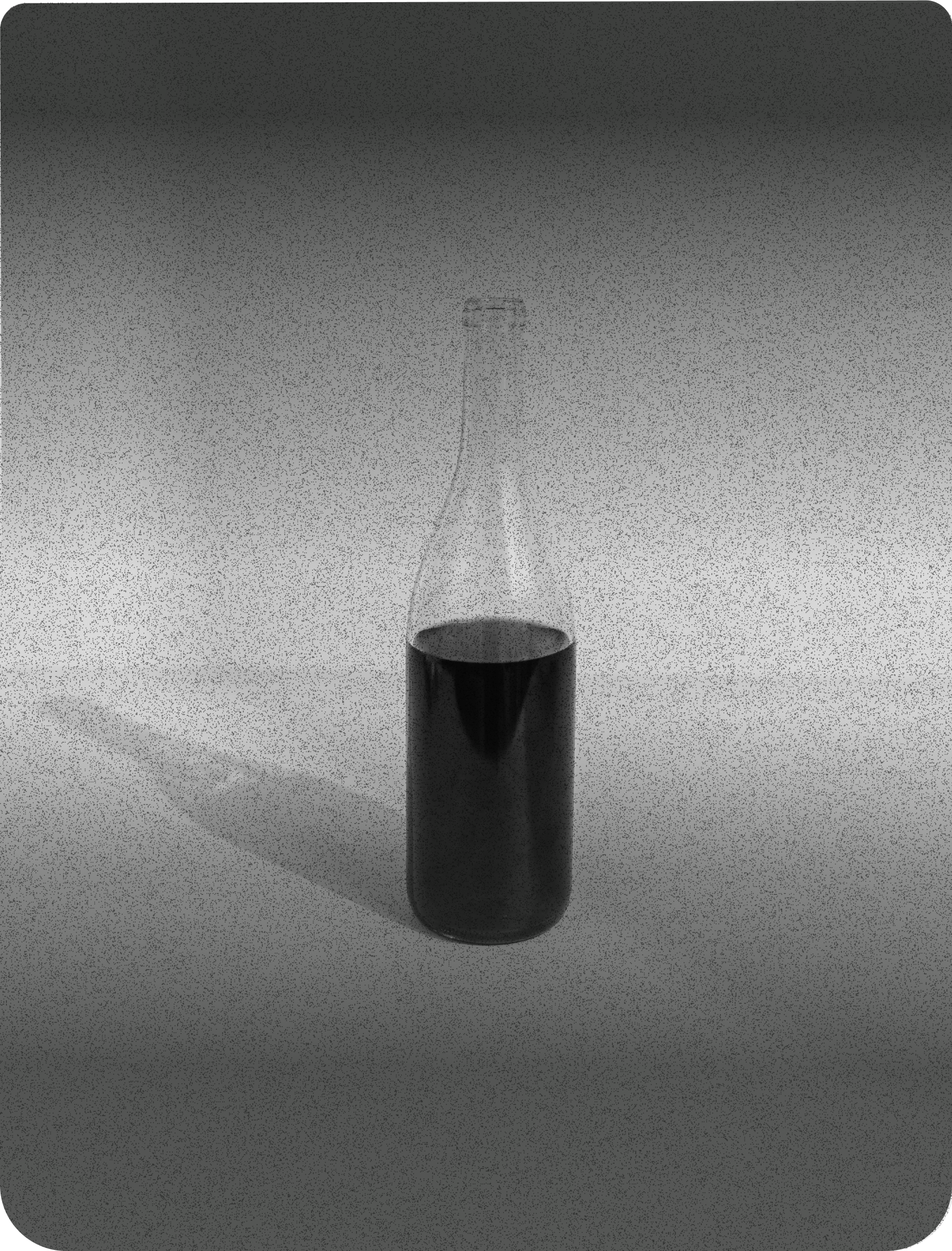
The Château Mercian Fuefuki Koshu Gris de Gris 2022 is a distinctive white wine from Yamanashi, Japan, made from 100% Koshu grapes. Produced by Japan's oldest winery, Château Mercian, the wine's name, 'Gris de Gris,' hints at the subtle pinkish-gray color derived from the grape skins. The Fuefuki District in Yamanashi Prefecture, known for its volcanic soils and proximity to Mount Fuji, provides a unique terroir for Koshu cultivation. The 2022 vintage experienced favorable weather conditions, with a cold winter and warm spring leading to healthy grape development, followed by a dry, hot summer that ensured optimal maturity. Château Mercian's mission is to elevate Japanese wine globally, and this wine represents an innovative approach to a native grape.
ALCOHOL
10.5%
AVG. PRICE
€29
STYLE
VEGAN
YES
When to drink
Now or Later
Ideal temperature
10-12°C
INTERESTING FACTS
Fact 01
The name 'Gris de Gris' refers to the subtle pinkish-gray hue of the Koshu grape skins.
Fact 02
Château Mercian aims to make Japan a world-class wine region.
Fact 03
The wine uses traditional Japanese 'tana' (overhead trellis) vine training.
Fact 04
It's a Koshu wine made with techniques typically reserved for red or orange wines.
FOOD PAIRING
Read more
WINE MAKING PROCESS
The production of Château Mercian Fuefuki Koshu Gris de Gris 2022 involves meticulous techniques to highlight the Koshu grape's potential. Key processes include extended skin contact, with some sources noting up to three weeks, and partial thermo-maceration to enhance aroma and color extraction. The crushed grapes are divided into different fermentation lots. Fermentation occurs in both wooden barrels (around 5 days at 26–30°C) and stainless steel tanks (around 14 days at 18–20°C). Following fermentation, the wine is aged for about 7 to 8 months, utilizing a combination of stainless steel tanks and used oak barrels. The used oak is employed for subtle micro-oxidation rather than imparting strong oak flavors, preserving the wine's inherent character.