COLOUR
Red
TYPE
Still
VINTAGE
2019
GRAPE
Cabernet Sauvignon, Merlot, Malbec, Petit Verdot
PRODUCER
Yarra Yering Vineyards
REGION
Victoria
CHARACTERISTICS
Body
Medium
Sweetness
Dry
Acidity
Medium - High
Finish
Long
Intensity
Pronounced
Tannins
AROMAS & FLAVOURS
ABOUT THIS WINE
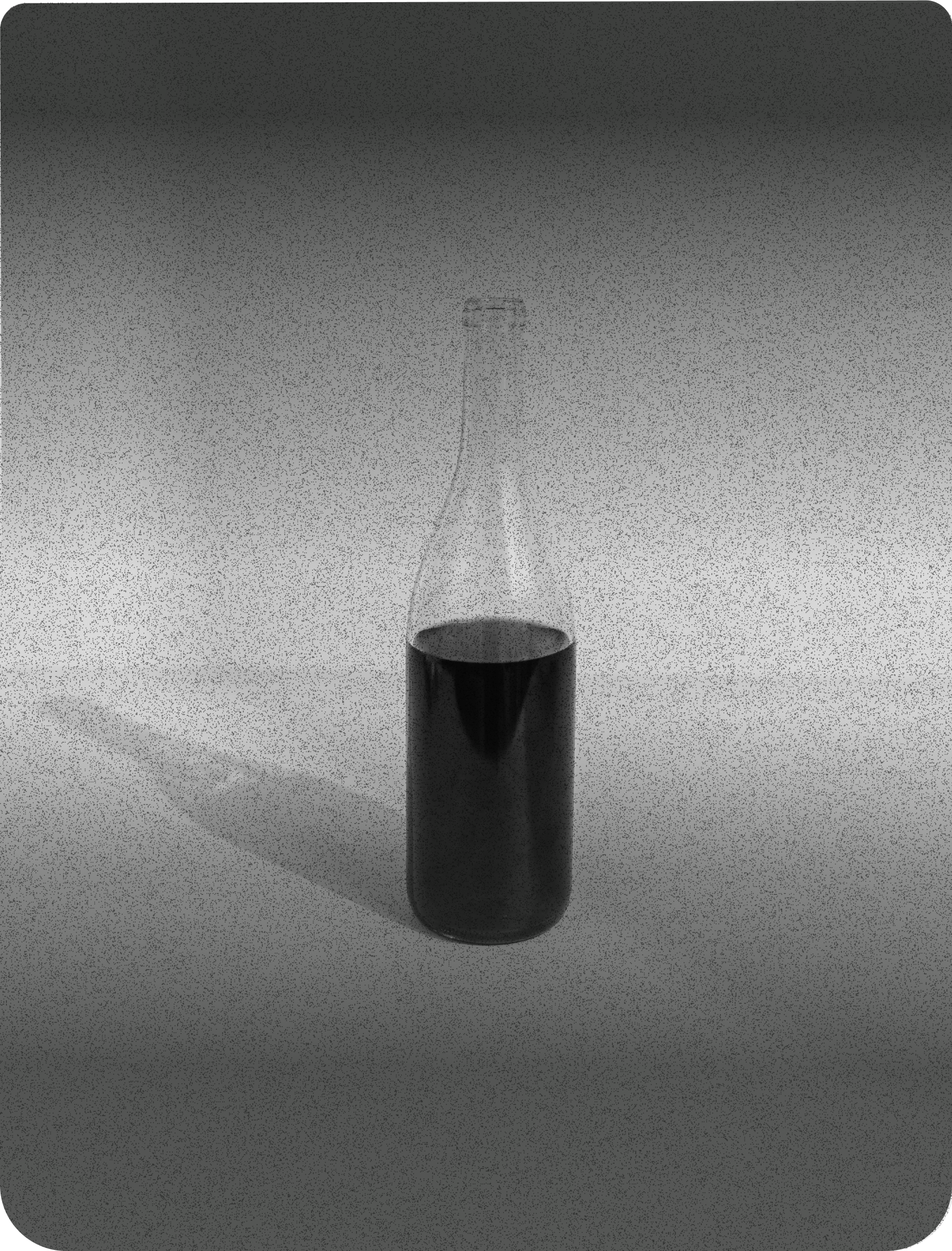
Yarra Yering Dry Red Wine No. 1 is a distinguished Australian red wine from the Yarra Valley, Victoria, produced by Yarra Yering Vineyards. The wine's name originates from the first Cabernet vines planted on the estate in block No. 1, establishing its identity as a flagship Bordeaux-style blend. The vineyard's original plantings in 1969 included Cabernet and Malbec, with Merlot later interplanted and Petit Verdot planted on newer vineyard sections. The winery was founded by Dr. Bailey Carrodus, who aimed to emulate admired European wine styles. Following his passing, the estate continued under new ownership, with winemaker Sarah Crowe maintaining its high standards. The wine is recognized for its elegance, age-worthiness, and seamless integration of its constituent grape varieties.
ALCOHOL
13.5%
AVG. PRICE
€65
STYLE
Classic
VEGAN
YES
SULPHITES
When to drink
Now or Later
Ideal temperature
16-18°C
INTERESTING FACTS
Fact 01
Named after the first Cabernet vines planted in Block No. 1.
Fact 02
A classic Bordeaux blend from Australia's Yarra Valley.
Fact 03
Crafted from some of the estate's oldest vines.
Fact 04
Awarded Wine of the Year by Halliday Wine Companion in 2022.
FOOD PAIRING
Read more
WINE MAKING PROCESS
The winemaking process for Yarra Yering Dry Red Wine No. 1 begins with hand-harvesting and rigorous berry sorting, particularly for the Cabernet Sauvignon. Merlot, Malbec, and Petit Verdot undergo whole-berry fermentation, while Cabernet components are individually berry-sorted before crushing. Fermentation takes place in small, half-tonne fermenters with twice-daily hand plunging. Some Cabernet lots experience extended skin contact for enhanced complexity. Following fermentation, the wine is matured for 15 months in French oak barrels, with 40% new oak. Components are kept separate until the final blending stage just prior to bottling.