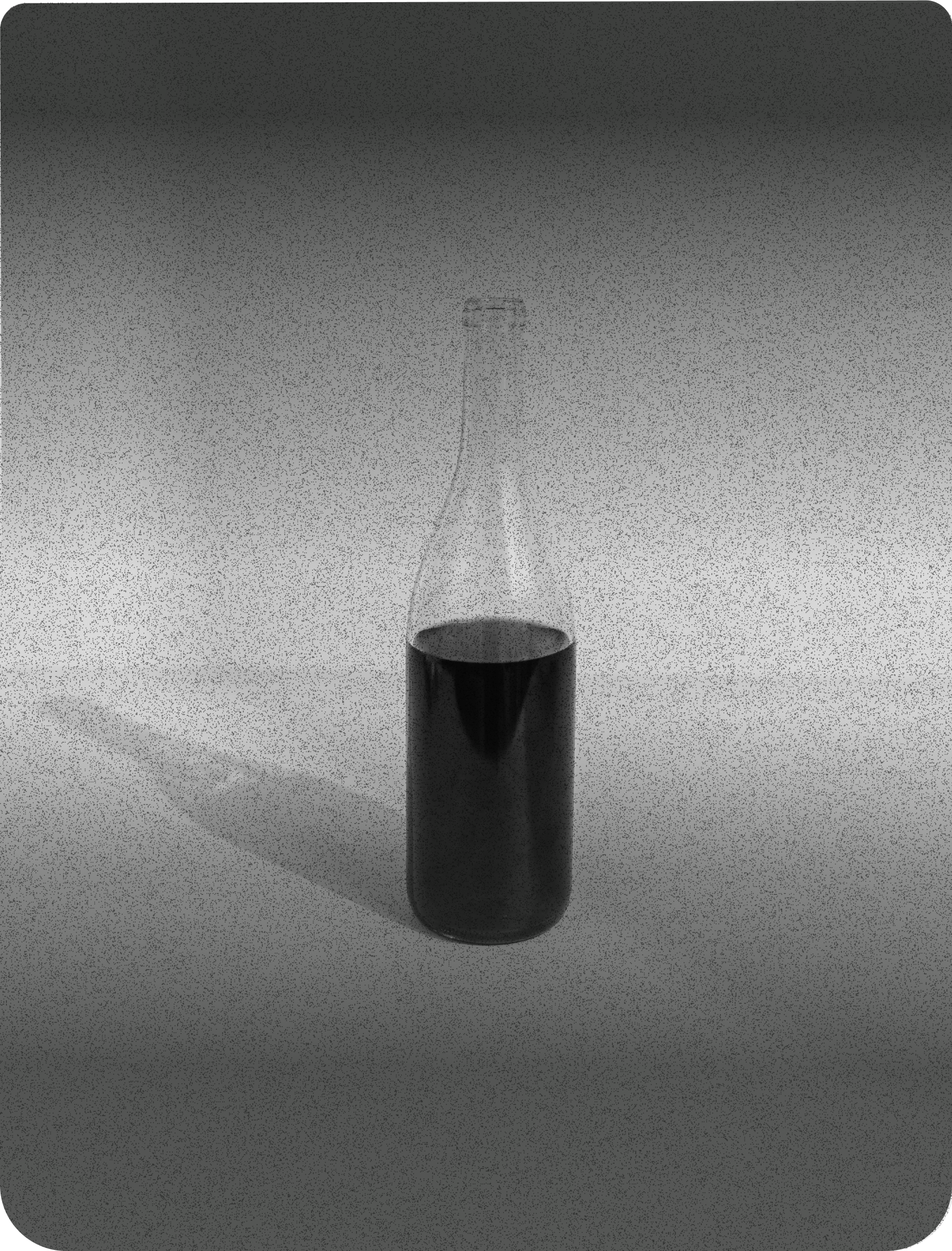
COLOUR
White
TYPE
Sparkling
VINTAGE
NV
GRAPE
Pinot Noir, Pinot Meunier, Chardonnay
PRODUCER
R. Pouillon & Fils
REGION
Champagne
CHARACTERISTICS
Body
Light
Sweetness
Dry
Acidity
Medium - High
Finish
Medium - Long
Intensity
Mid - Pronounced
AROMAS & FLAVOURS
Sorry, we did not find the aromas & flavours for this wine
ABOUT THIS WINE
The Grande Vallée Extra Brut is a signature Non-Vintage Champagne from R. Pouillon & Fils, a family-run grower house established in 1947. This cuvée, formerly known as 'Réserve Brut', has evolved to embody the domaine's commitment to expressive, terroir-driven wines. Located in Mareuil-Sur-Aÿ, within the Grande Vallée de la Marne, the producer, Fabrice Pouillon, meticulously tends to his vineyards using organic and biodynamic practices since 2003. This dedication to vineyard health, coupled with a unique approach to winemaking, results in a distinctive grower Champagne that truly reflects its origins.
ALCOHOL
AVG. PRICE
€77
STYLE
Classic
SULPHITES
YES
When to drink
Now or Later
Ideal temperature
8-10°C
INTERESTING FACTS
Fact 01
This Champagne was formerly known as 'Réserve Brut' before its evolution into Grande Vallée.
Fact 02
The secondary fermentation in the bottle is uniquely started with unfermented grape juice from the same vineyards.
Fact 03
R. Pouillon & Fils practices organic and biodynamic farming across its vineyards.
Fact 04
As a 'grower Champagne', the wine is produced by the same family who cultivates the grapes.
FOOD PAIRING
Read more
WINE MAKING PROCESS
The winemaking for Grande Vallée Extra Brut begins with grapes sourced from Premier and Grand Cru sites in the Vallée de la Marne and Montagne de Reims, grown on clay-limestone soils. Fabrice Pouillon employs organic and biodynamic viticulture, including native yeasts for fermentation. Half of the primary fermentation occurs in neutral barriques, while the other half takes place in enameled tanks. Malolactic fermentation is completed to soften the acidity. The wine undergoes an initial aging (élevage) of 6-8 months before being blended with previous vintages and a 'perpetual cuvée'. Uniquely, the secondary fermentation in the bottle is initiated using unfermented grape juice from the same vineyards, contributing to the wine's distinct character.