COLOUR
White
TYPE
Still
VINTAGE
2023
GRAPE
Grüner Veltliner
PRODUCER
Weingut Herbert Zillinger
REGION
Niederösterreich
CHARACTERISTICS
Body
Medium - Full
Sweetness
Dry
Acidity
Medium - High
Finish
Long
Intensity
Pronounced
AROMAS & FLAVOURS
ABOUT THIS WINE
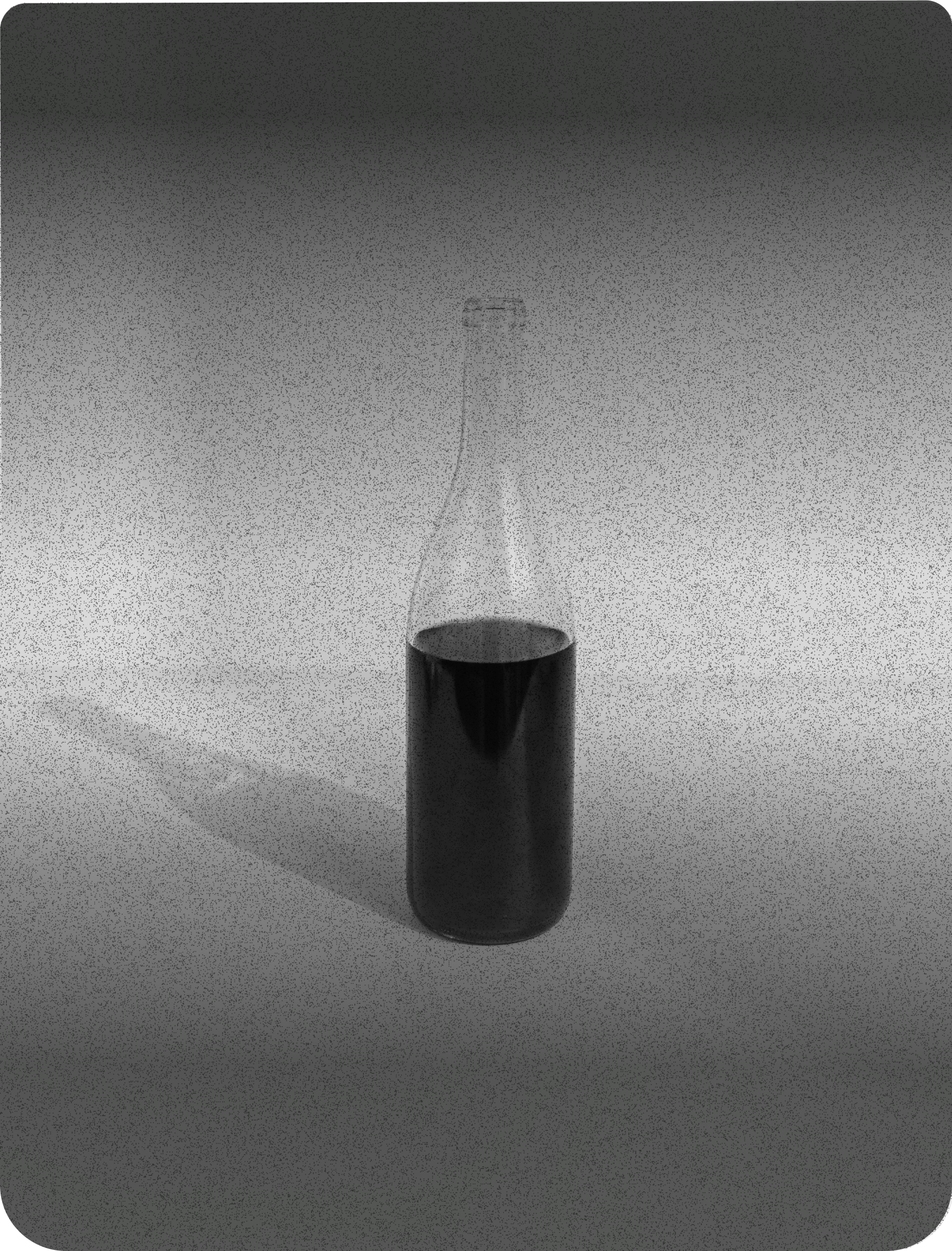
The Hirschenreyn Weingut Zillinger 2023 is a Grüner Veltliner from Weingut Herbert Zillinger in Niederösterreich, Austria. The Hirschenreyn vineyard, characterized by its cool, northern exposure and deep loess and humus-rich soils, is considered a promising site for this grape variety. The vineyard's unique conditions contribute to the wine's distinct profile. Weingut Herbert Zillinger is a third-generation family estate dedicated to biodynamic and organic farming, with a philosophy of producing wines that reflect their origin and terroir through minimal intervention. The 2023 vintage presented challenges due to variable weather patterns, including a dry winter and spring rains that affected budburst, requiring diligent vineyard management.
ALCOHOL
13.5%
AVG. PRICE
€26
STYLE
Natural
VEGAN
YES
SULPHITES
When to drink
Later
Ideal temperature
9-9°C
INTERESTING FACTS
Fact 01
The Hirschenreyn vineyard is the coolest and highest plot in the Zillinger portfolio.
Fact 02
The wine is sometimes described as having a 'Burgundy from the Weinviertel' character.
Fact 03
The winery is a member of respekt-BIODYN, a group of biodynamic winegrowers.
Fact 04
Minimal sulfur is used in the winemaking process.
FOOD PAIRING
Read more
WINE MAKING PROCESS
The winemaking process for Hirschenreyn Weingut Zillinger 2023 begins with selective manual harvesting of physiologically ripe grapes. The grapes undergo whole-bunch pressing, and the must is fermented turbidly using spontaneous fermentation with indigenous yeasts. Fermentation and aging take place in large wooden barrels, where the wine matures on full lees for an extended period, typically one year. The wine is bottled unfiltered, with minimal sulfur additions. Weingut Herbert Zillinger employs certified biodynamic and organic farming practices, including fertilization with composted horse manure and pomace, and avoids artificial irrigation to allow the terroir to express itself.