COLOUR
White
TYPE
Still
VINTAGE
2021
GRAPE
Chardonnay, Roussanne, Chenin Blanc, Verdelho, Muscat
PRODUCER
Alheit Vineyards
REGION
Western Cape
CHARACTERISTICS
Body
Full
Sweetness
Dry
Acidity
High
Finish
Long
Intensity
Pronounced
AROMAS & FLAVOURS
ABOUT THIS WINE
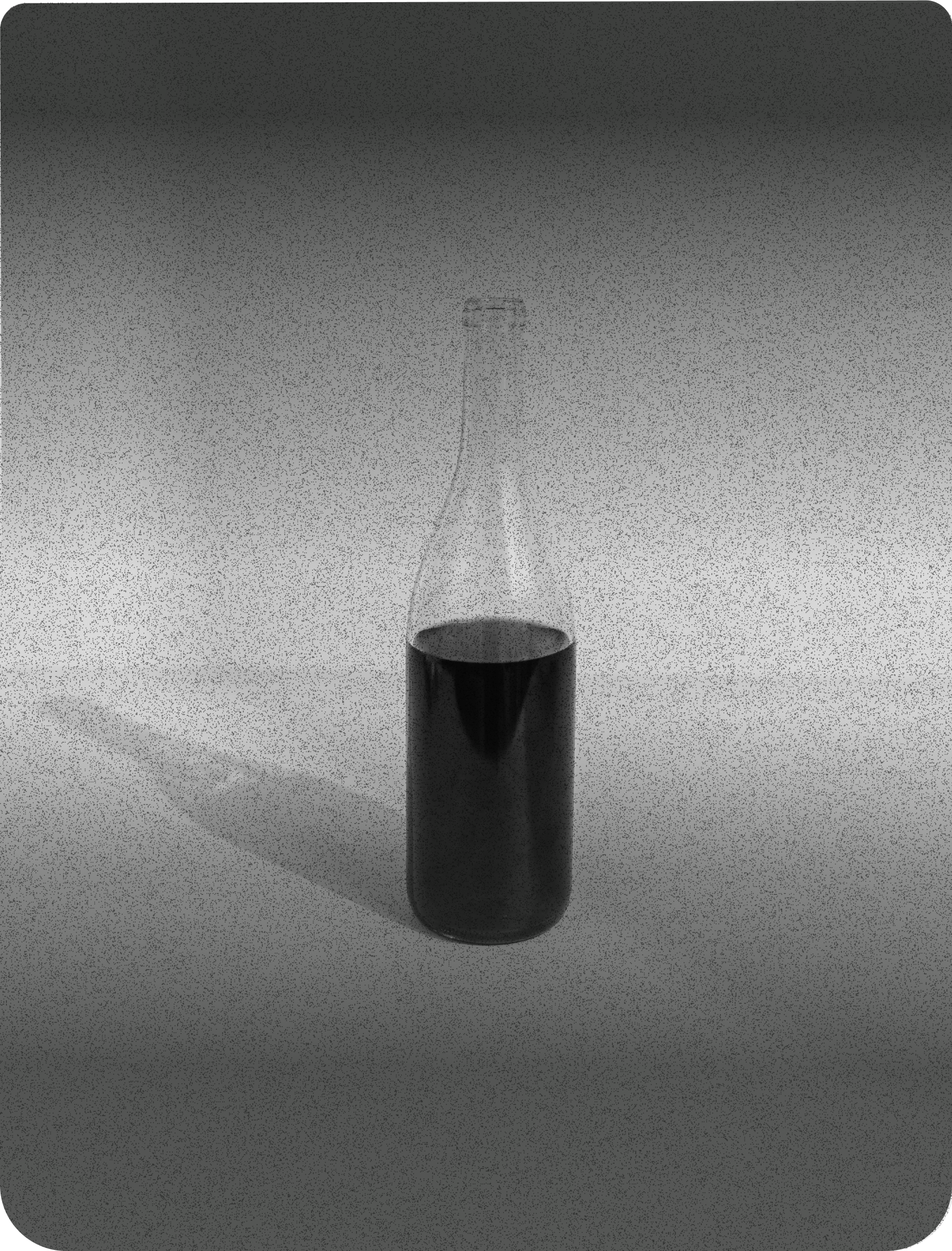
The Alheit Vineyards Hemelrand Vine Garden 2021 is a white wine from the Hemel & Aarde Ridge in the Western Cape, South Africa. It is a unique field blend, comprising Chardonnay, Roussanne, Chenin Blanc, Verdelho, and Muscat, planted together in the same vineyard. This approach means the wine's character evolves each vintage, dictated by the specific growing conditions of that year. Alheit Vineyards, established in 2010 by Chris and Suzaan Alheit, focuses on expressing the distinctiveness of the Cape terroir through minimal intervention winemaking and a close relationship with old vines. The Hemelrand vineyard itself is situated at 360 meters above sea level on gravelly clay and sandstone soils, a marginal site that promotes slow ripening and high natural acidity, contributing to the wine's distinctive profile.
ALCOHOL
13.5%
AVG. PRICE
€87
STYLE
Natural
VEGAN
YES
SULPHITES
NO
When to drink
Now or Later
Ideal temperature
10-12°C
INTERESTING FACTS
Fact 01
A true field blend: grapes are planted together, not separately.
Fact 02
Vineyard planted in 2010 on a marginal, high-altitude site.
Fact 03
Minimal intervention winemaking is a core philosophy.
Fact 04
Wine's profile changes significantly with each vintage.
FOOD PAIRING
Read more
WINE MAKING PROCESS
The Hemelrand Vine Garden 2021 is produced using a field blend of grape varieties planted together. The grapes are hand-picked and sorted in the vineyard before being whole bunch pressed. The juice is lightly settled, and fermentation is initiated by wild yeasts in old barrels of various sizes. Fermentation typically lasts around two months, with Roussanne fermenting for a longer period. Following fermentation, the wine is aged on lees for approximately twelve months, then rests in tank on fine lees for an additional six months before bottling. Minimal intervention is a guiding principle throughout the process, with no fining.