COLOUR
Red
TYPE
Still
VINTAGE
2010
GRAPE
Cabernet Sauvignon
PRODUCER
Red Cap Vineyards
REGION
California
CHARACTERISTICS
Body
Full
Sweetness
Dry
Acidity
Medium - High
Finish
Long
Intensity
Pronounced
Tannins
AROMAS & FLAVOURS
ABOUT THIS WINE
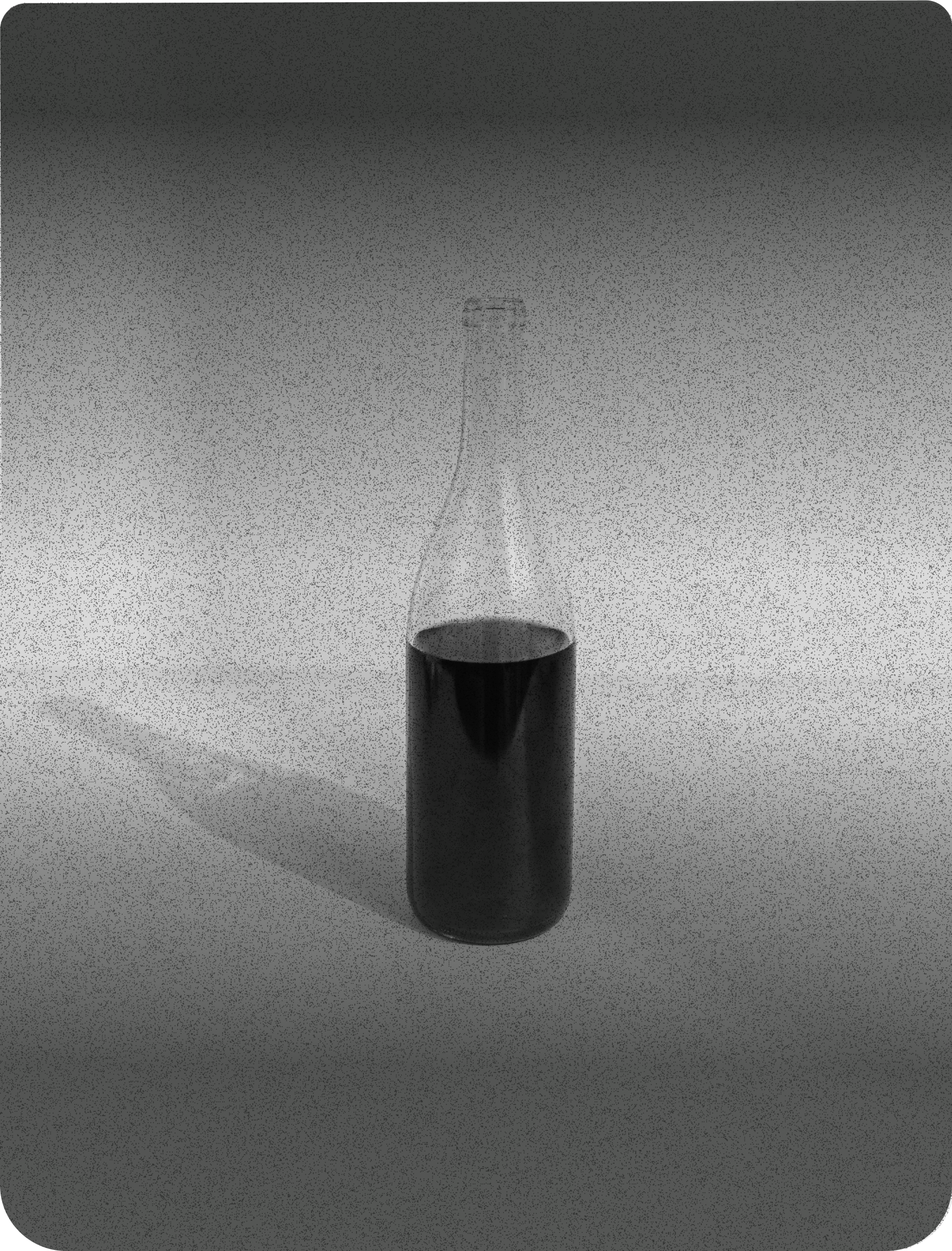
Red Cap Vineyards was founded in 1998 by Tom and Desiree Altemus on a raw 10.5-acre parcel near the summit of Howell Mountain in Angwin, Napa Valley. Tom, a former IBM financier turned honors chef, meticulously cleared the land to plant vines in 2003. The estate's name is a direct tribute to its physical location: a high plateau capped by distinctive brick-red, volcanic Aiken loam soil. Situated at an elevation of approximately 1,900 feet, the vineyard sits well above the valley fog line, benefiting from intense sunlight and cooler daytime temperatures. The site's exceptional terroir is highly regarded in Napa Valley, so much so that the renowned Schramsberg estate has historically sourced fruit from this specific vineyard for their J. Davies label.
ALCOHOL
14.9%
AVG. PRICE
€150
STYLE
Classic
SULPHITES
YES
When to drink
Now or Later
Ideal temperature
16-18°C
INTERESTING FACTS
Fact 01
The name 'Red Cap' refers to the estate's location on a high plateau capped by brick-red, volcanic Aiken loam soil.
Fact 02
Founder Tom Altemus was a former IBM financier who retrained as an honors chef before establishing the vineyard.
Fact 03
The prestigious Schramsberg estate has sourced fruit from Red Cap for their high-end J. Davies Cabernet Sauvignon.
Fact 04
The vineyard sits at 1,900 feet elevation, completely above the Napa Valley fog line, ensuring maximum sun exposure.
FOOD PAIRING
Read more
WINE MAKING PROCESS
The 2010 vintage was crafted by consulting winemaker Rudy Zuidema, utilizing estate-grown Cabernet Sauvignon clones 4, 7, and 169 on 101-14 rootstock. The vineyard is hand-farmed organically and biodynamically under the direction of manager Alfonso Elena, yielding an extremely low output of approximately two tons per acre. Following a meticulous hand-harvest, the grapes underwent fermentation in open-top vessels using indigenous, native yeasts. Gentle, manual punch-downs were performed to carefully extract color and structured tannins without over-extraction. The wine was then aged for 27 months in 100% French oak barrels before bottling. Production for this vintage was extremely limited, typical of the estate's standard cap of 250 to 300 cases.