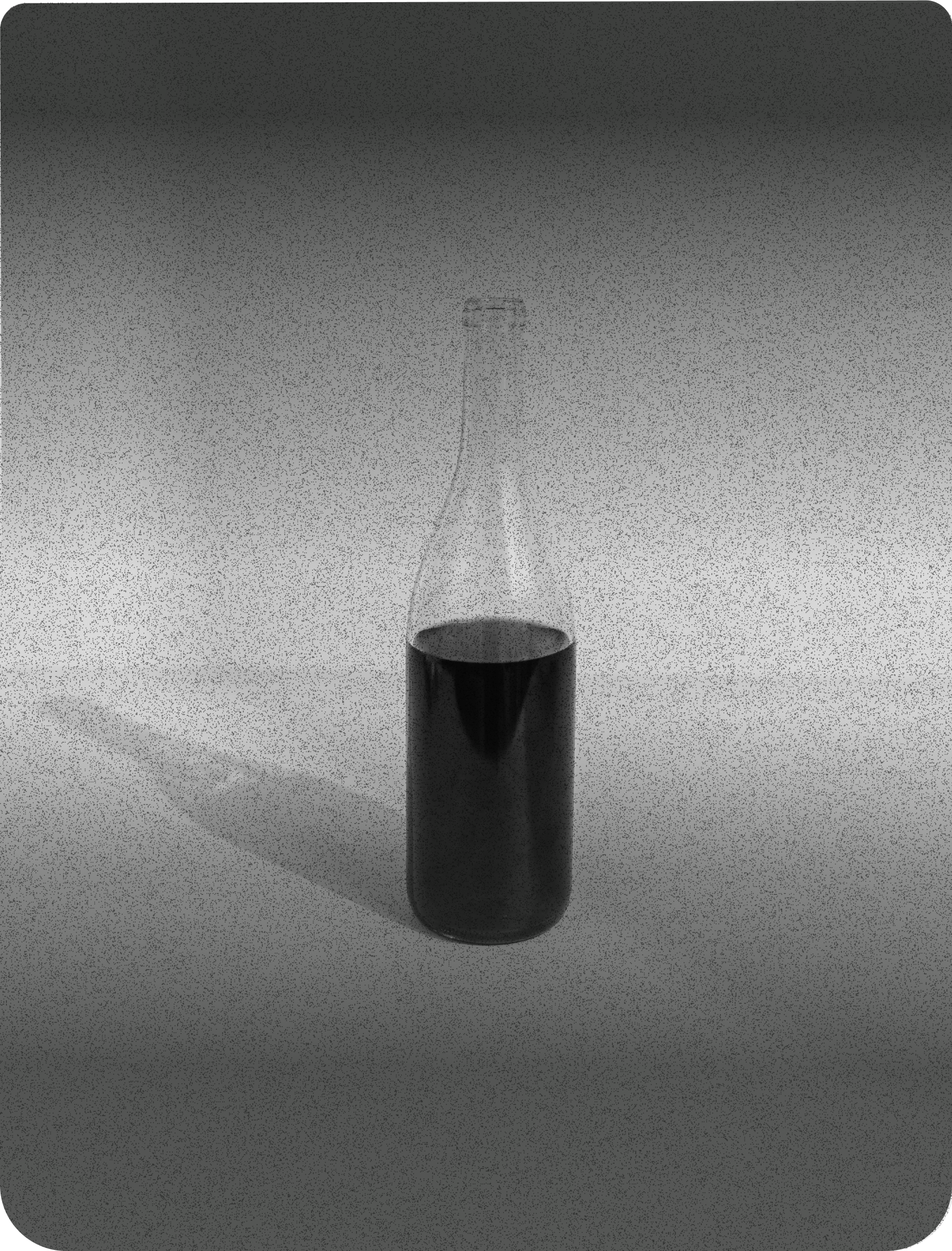
COLOUR
Red
TYPE
Still
VINTAGE
2023
GRAPE
Zweigelt
PRODUCER
Charly Rol
REGION
Niederösterreich
CHARACTERISTICS
Body
Medium - Full
Sweetness
Dry
Acidity
Medium - High
Finish
Long
Intensity
Pronounced
Tannins
AROMAS & FLAVOURS
ABOUT THIS WINE
Le Sans Peur is a 2023 red wine from Austria's Kremstal region, produced by Charly Rol. Made from the Zweigelt grape, this wine stands out due to its unique production method: semi-carbonic maceration, a technique often associated with Beaujolais Cru wines. This approach, combined with the winemaker's Burgundian background, results in a distinctive style that bridges French winemaking philosophy with Austrian terroir. The wine is bottled unfiltered and with minimal sulfur additions, reflecting a natural winemaking approach. Charly Rol's journey from Burgundy to Austria underscores his dedication to applying meticulous craftsmanship to local grape varieties, creating wines that are both rooted in place and influenced by international expertise.
ALCOHOL
12.5%
AVG. PRICE
€27
STYLE
Natural
SULPHITES
YES
When to drink
Now or Later
Ideal temperature
14-16°C
INTERESTING FACTS
Fact 01
Winemaker Charly Rol is French, bringing Burgundian techniques to Austria.
Fact 02
The wine uses semi-carbonic maceration, similar to Beaujolais Cru.
Fact 03
It's bottled unfiltered with minimal added sulfur.
Fact 04
Zweigelt is Austria's most planted red grape variety.
FOOD PAIRING
Read more
WINE MAKING PROCESS
Le Sans Peur is produced using semi-carbonic maceration with whole grape clusters, a method that emphasizes fruit purity and a smooth texture. Following fermentation, the wine is gently pressed and bottled unfiltered with minimal added sulfur, adhering to a natural winemaking philosophy. The producer, Charly Rol, a French winemaker based in Austria, applies his Burgundian expertise to local grape varieties like Zweigelt. While specific aging details for the 2023 vintage are not fully documented, previous vintages have seen aging in a mix of barriques and acacia wood casks, reflecting a blend of international and traditional Austrian practices. The overall approach prioritizes minimal intervention to allow the grape and terroir to express themselves.