COLOUR
Red
TYPE
Still
VINTAGE
2019
GRAPE
Grenache, Carignan, Cabernet Sauvignon, Syrah, White Grenache
PRODUCER
Maius Viticultors
REGION
Catalonia
CHARACTERISTICS
Body
Full
Sweetness
Dry
Acidity
Medium - High
Finish
Long
Intensity
Pronounced
Tannins
AROMAS & FLAVOURS
ABOUT THIS WINE
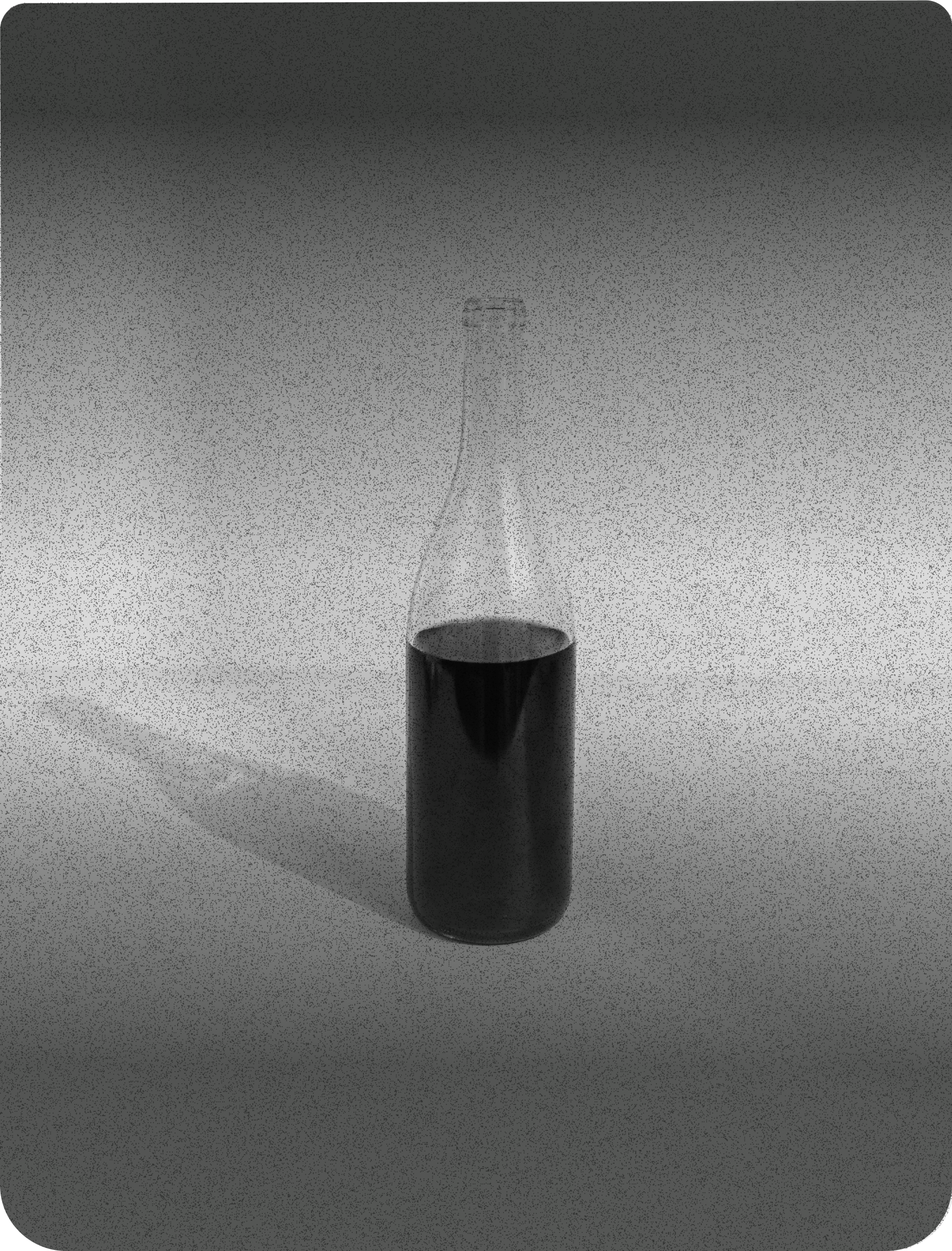
Maius Barranc de la Bruixa Priorat 2019 is a red wine from the esteemed Priorat DOCa in Catalonia, Spain. Produced by Maius Viticultors, a family-owned winery with a history dating back to 1949, the wine originates from vineyards located in Barranc de la Bruixa, protected by the Montsant mountains. The estate's terroir is characterized by limestone, gravel, and the distinctive 'licorella' black slate and quartz soil. Vines are cultivated on south-facing terraces due to the region's abrupt orography, at altitudes ranging from 100 to 700 meters. Maius Viticultors is committed to organic farming practices. The name 'Maius' is connected to the vineyard's location, the 'Barranc de la Bruixa' or 'Witch's Ravine'.
ALCOHOL
14.5%
AVG. PRICE
STYLE
Classic
SULPHITES
NO
When to drink
Now or Later
Ideal temperature
16-18°C
INTERESTING FACTS
Fact 01
Vineyards are planted on steep terraces due to the abrupt terrain.
Fact 02
The winery is partially underground for natural temperature control.
Fact 03
Maius is linked to the 'Witch's Ravine' vineyard location.
Fact 04
Organic farming is a core value of Maius Viticultors.
FOOD PAIRING
Read more
WINE MAKING PROCESS
The winemaking process for Maius Barranc de la Bruixa Priorat 2019 begins with hand-harvested grapes. Pre-fermentation cold maceration at 14°C for three days is employed to enhance aromatic expression. Fermentation occurs in stainless steel tanks with temperature control, followed by a maceration process designed to build tannin structure and anthocyanins. The wine is then aged in a combination of French and American oak barrels, as well as stainless steel tanks. Maius Viticultors integrates sustainable practices into its operations, including organic farming, an underground winery for temperature regulation, solar energy usage, and rainwater collection.