COLOUR
Red
TYPE
Still
VINTAGE
2018
GRAPE
Corvina Veronese, Corvinone, Rondinella, Croatina, Oseleta
PRODUCER
Monte Faustino di Fornaser Paolo
REGION
Veneto
CHARACTERISTICS
Body
Full
Sweetness
Dry
Acidity
Medium - High
Finish
Long
Intensity
Pronounced
Tannins
AROMAS & FLAVOURS
ABOUT THIS WINE
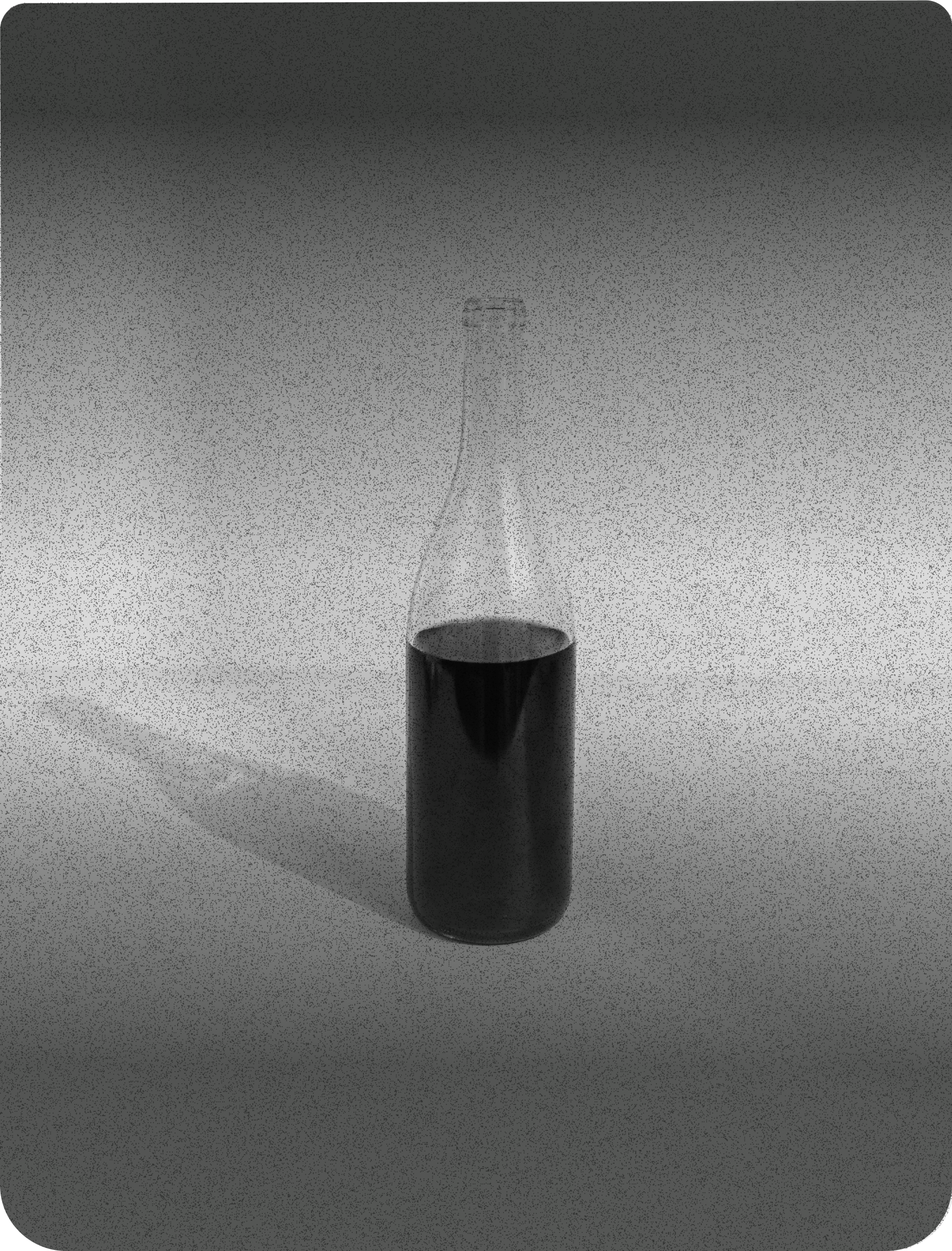
Monte Faustino Ripasso Superiore 2018 is a red wine from the Valpolicella Ripasso Superiore DOC appellation in Veneto, Italy. Produced by Monte Faustino di Fornaser Paolo, it is crafted from a blend of Corvina Veronese, Corvinone, Rondinella, Croatina, and Oseleta grapes. The wine's unique character is shaped by the family's long winemaking heritage, their commitment to artisanal methods, and the specific terroir of their hillside vineyards, including the historic Monte Faustino vineyard known for its porous limestone soil. The Ripasso method, a key technique employed, involves a second fermentation on Amarone pomace, contributing to the wine's depth and complexity.
ALCOHOL
15.0%
AVG. PRICE
€29
STYLE
Classic
SULPHITES
NO
When to drink
Now or Later
Ideal temperature
18-18°C
INTERESTING FACTS
Fact 01
The Monte Faustino vineyard, the winery's namesake, was planted by the grandfather in the 1920s.
Fact 02
The Ripasso technique involves a second fermentation on the skins of Amarone wine.
Fact 03
Vineyards are situated at altitudes ranging from 250m to 350m.
Fact 04
Traditional 'pergola veronese' and 'guyot' vine training systems are used.
FOOD PAIRING
Read more
WINE MAKING PROCESS
The winemaking process for Monte Faustino Ripasso Superiore begins with destemmed and crushed grapes undergoing fermentation in stainless steel at controlled temperatures for approximately 7 days. The defining 'Ripasso' technique involves a subsequent refermentation of the wine on Amarone pomace for 3 to 7 days, enhancing its structure and complexity. Following this, the wine is aged for a minimum of one year in various oak vessels, such as barriques or large barrels, and potentially stainless steel, before a minimum of 6 months of bottle aging. Harvest is conducted manually from early September to October.