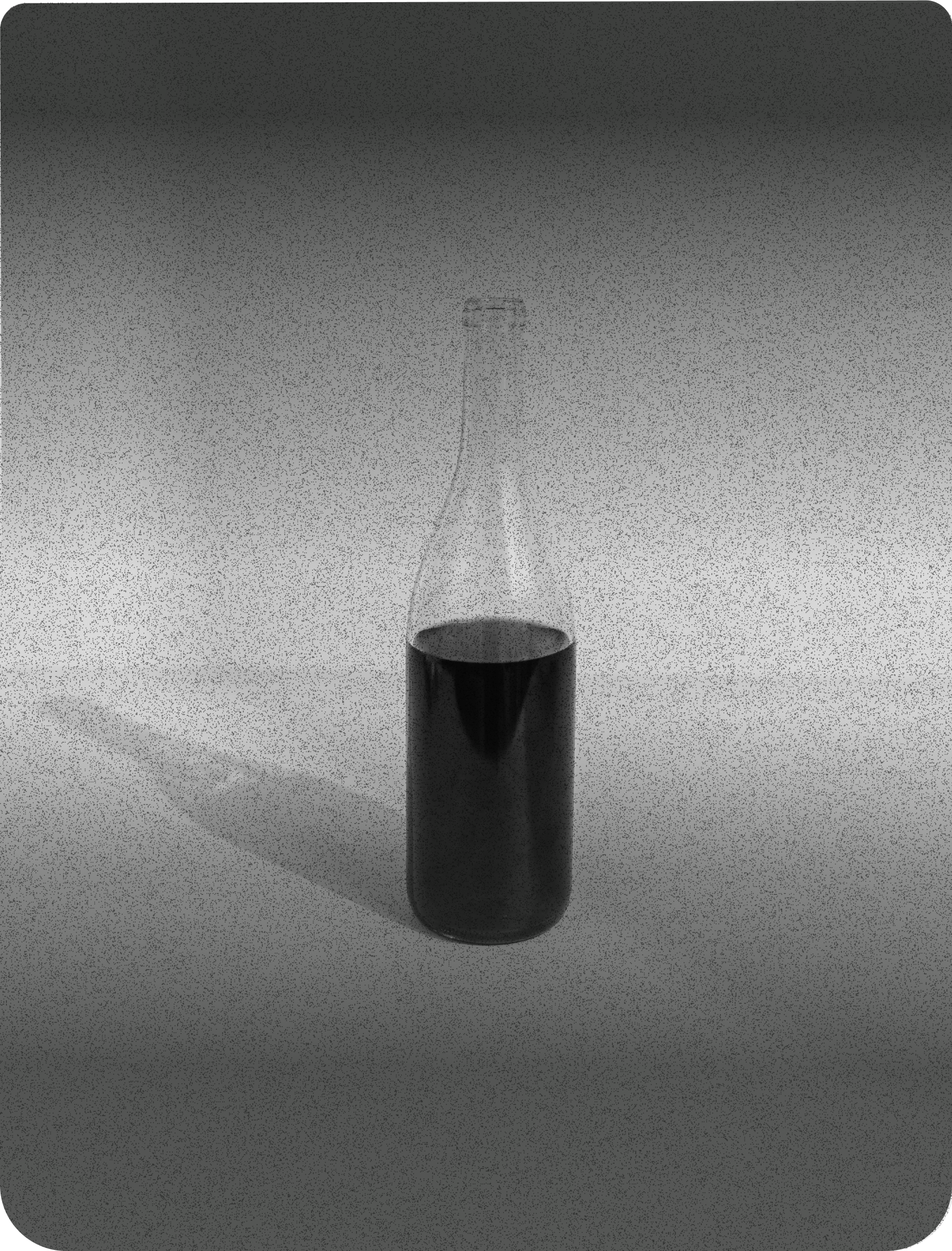
COLOUR
Red
TYPE
Still
VINTAGE
N/A
GRAPE
Nebbiolo (Prünent), Croatina, Barbera
PRODUCER
Cantine Garrone
REGION
Piemonte
CHARACTERISTICS
Body
Medium - Light
Sweetness
Dry
Acidity
High
Finish
Medium - Long
Intensity
Pronounced
Tannins
Medium - Low
AROMAS & FLAVOURS
ABOUT THIS WINE
Munaloss is a distinctive red wine from Cantine Garrone, produced under the Valli Ossolane DOC appellation in the Alto Piemonte region of Italy. This wine represents a revival of ancient winemaking traditions in a remote Alpine valley. The Garrone family, with a history in winemaking since 1920, has been a driving force in re-establishing this historic region, working with over 40 small growers to cultivate ancient vineyard parcels. The name 'Munaloss' is a nod to 'Ossolanum,' the historical name for wines from this area, underscoring the producer's dedication to preserving viticultural heritage. The wine is primarily made from Nebbiolo (locally known as Prünent), with Croatina and sometimes Barbera, grown on steep, terraced slopes near the Swiss border. Cantine Garrone is noted as the primary producer within this small DOC, making Munaloss a unique discovery that showcases the distinct mountain terroir.
ALCOHOL
12.5%
AVG. PRICE
€19
STYLE
Classic
When to drink
Now or Later
Ideal temperature
14-16°C
INTERESTING FACTS
Fact 01
The name 'Munaloss' is 'Ossolanum' spelled backward, referencing the historical name for wines from this region.
Fact 02
Cantine Garrone was a key force in establishing the Valli Ossolane DOC in 2009.
Fact 03
Vineyards are located on steep, terraced slopes near the Swiss border.
Fact 04
The wine is made from grapes co-planted and harvested from up to 40 small-scale growers.
FOOD PAIRING
Read more
WINE MAKING PROCESS
Munaloss is crafted by Cantine Garrone with a focus on preserving the freshness and aromatic character of the grapes from the Valli Ossolane DOC. The fruit is sourced from up to 40 small-scale growers, with vineyards often featuring co-planted grape varieties. These grapes are harvested and vinified together. Fermentation occurs with native yeasts in temperature-controlled stainless steel tanks, followed by a relatively short maceration period of 8-10 days. The wine is then aged for 12 months exclusively in stainless steel, with no oak influence. This meticulous process ensures the expression of the mountain terroir and results in a wine characterized by its vibrant acidity and pronounced aromatics.