COLOUR
White
TYPE
Still
VINTAGE
2023
GRAPE
Alvarinho
PRODUCER
Anselmo Mendes
REGION
Vinho Verde
CHARACTERISTICS
Body
Medium - Light
Sweetness
Dry
Acidity
High
Finish
Medium - Long
Intensity
Pronounced
AROMAS & FLAVOURS
ABOUT THIS WINE
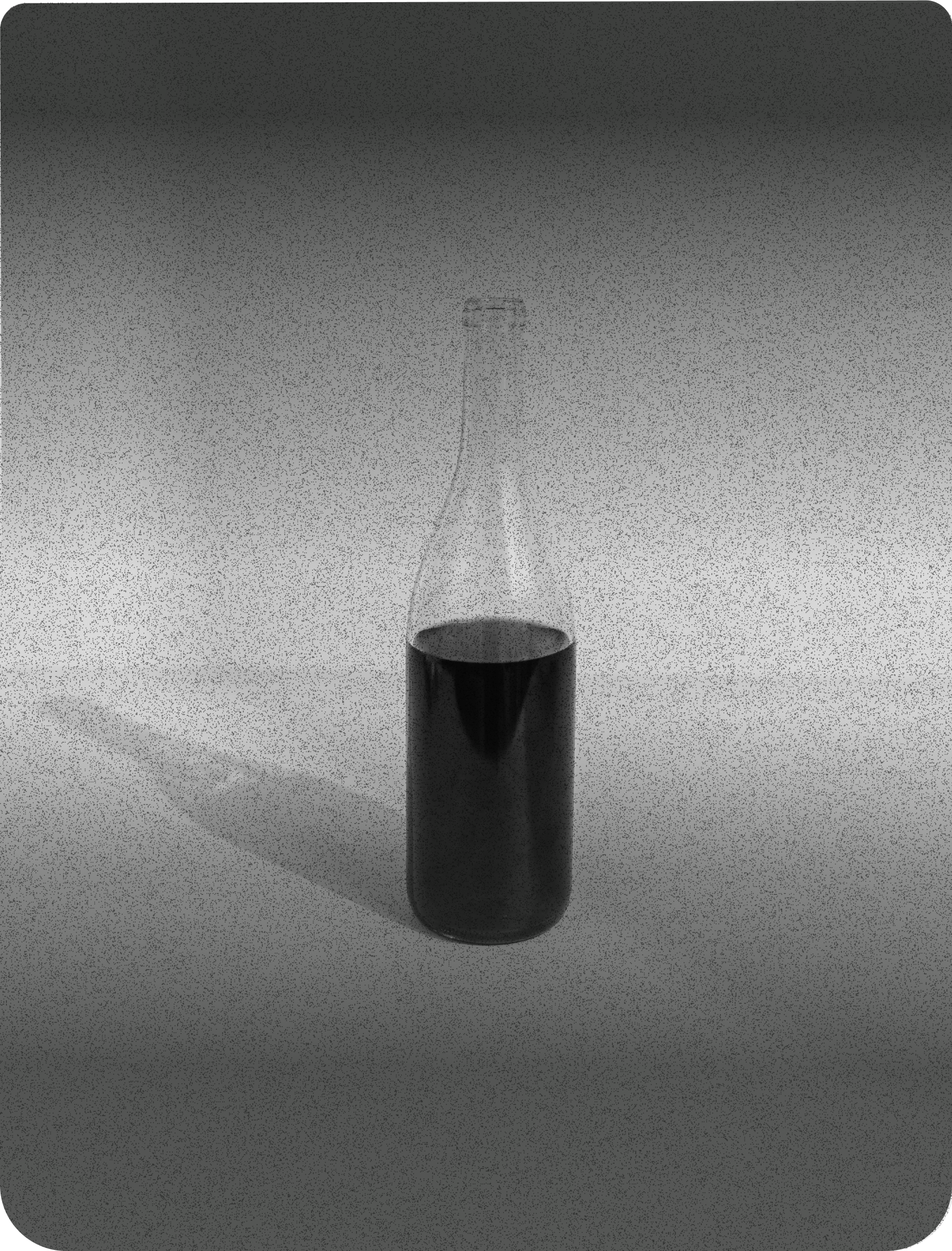
The Muros Antigos Alvarinho 2023 is a white wine from the Vinho Verde DOC in Portugal, produced by Anselmo Mendes. It is made from 100% Alvarinho grapes, cultivated in the Monção and Melgaço sub-region, an area recognized for its specific microclimate and granite soils that are well-suited for this varietal. Anselmo Mendes is a winemaker known for his deep commitment to the Alvarinho grape, earning him the nickname 'Mr. Alvarinho.' The Muros Antigos label is designed to highlight the purity and distinct expression of Alvarinho from this particular region. The vineyards are situated on sunny hillsides with granite soils, and the wine is produced using sustainable farming practices. This wine is considered a precise and honest representation of Alvarinho, offering an accessible entry point into Anselmo Mendes' winemaking style.
ALCOHOL
12.5%
AVG. PRICE
€17
STYLE
Classic
VEGAN
YES
SULPHITES
NO
When to drink
Now or Later
Ideal temperature
8-13°C
INTERESTING FACTS
Fact 01
Anselmo Mendes is nicknamed 'Mr. Alvarinho'.
Fact 02
Vineyards are on sunny hillsides with poor granite soils.
Fact 03
The wine is vegan-friendly.
Fact 04
It's a great introduction to Anselmo Mendes' winemaking.
FOOD PAIRING
Read more
WINE MAKING PROCESS
The winemaking process for Muros Antigos Alvarinho begins with destemming and gentle pressing of the 100% Alvarinho grapes. The resulting must undergoes cold clarification for 48 to 72 hours. Fermentation is carried out at a low temperature, between 14-18°C, in stainless steel tanks to preserve the grape's aromatics. Following fermentation, the wine is aged for a minimum of three months on its fine lees, with periodic battonage to enhance texture and complexity. The vineyards are managed using traditional agriculture and are certified for sustainable farming, incorporating integrated production methods, rational water use, soil improvement, and the exclusion of herbicides.