COLOUR
Red
TYPE
Still
VINTAGE
2020
GRAPE
Grenache, Mourvèdre, Syrah, Cinsault
PRODUCER
Rotem & Mounir Saouma
REGION
Rhône
CHARACTERISTICS
Body
Full
Sweetness
Dry
Acidity
Medium - High
Finish
Long
Intensity
Pronounced
Tannins
AROMAS & FLAVOURS
ABOUT THIS WINE
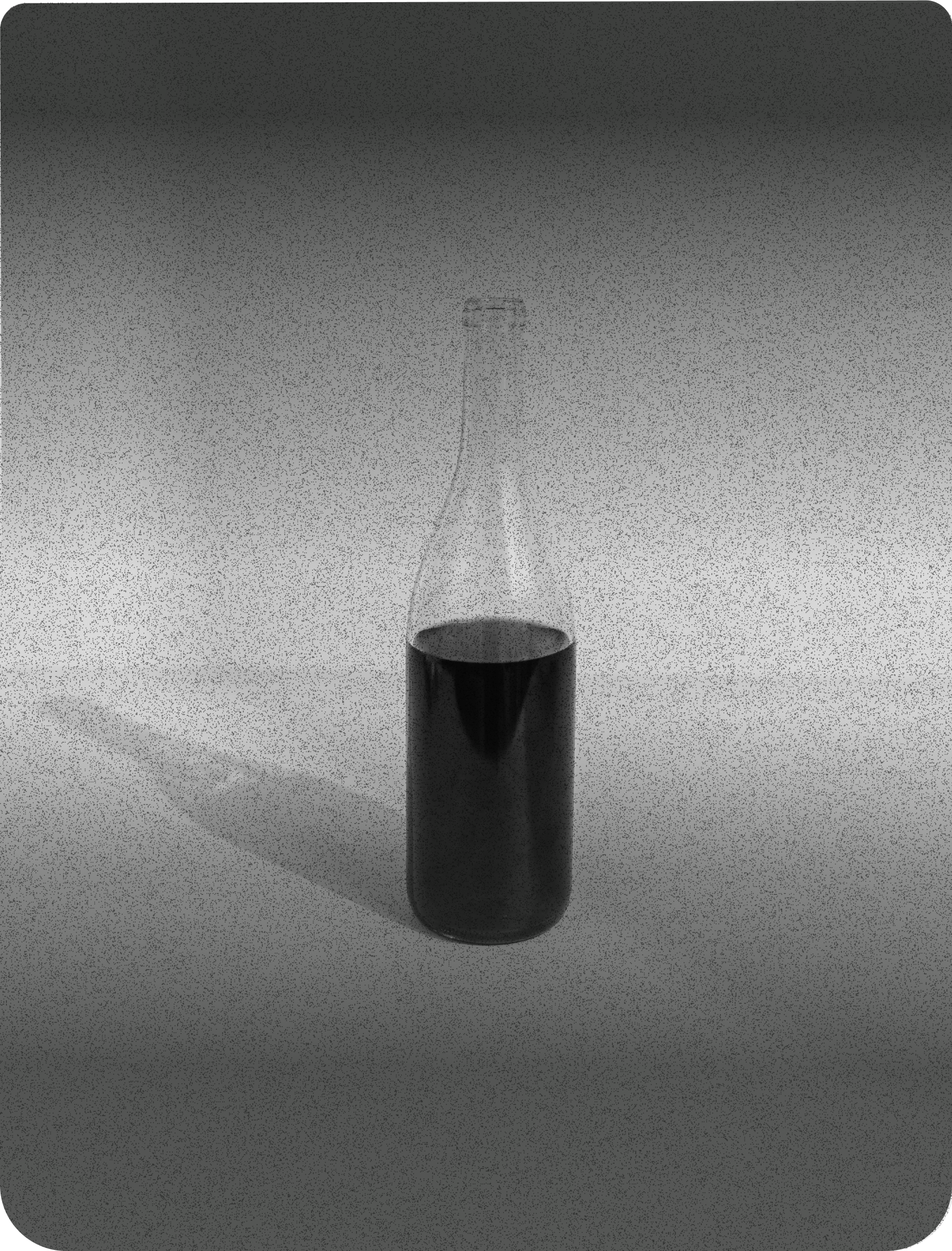
The Omnia Châteauneuf-du-Pape Rouge 2020 from Rotem & Mounir Saouma is a red wine from the Southern Rhône, France. The 'Omnia' cuvée is named to signify its intention to encompass the entirety of the Châteauneuf-du-Pape appellation's character. Rotem and Mounir Saouma, who also run the Burgundy négociant house Lucien Le Moine, apply their meticulous winemaking philosophy to vineyards sourced from nine different parcels across five communes within the appellation. Their approach emphasizes minimal intervention and organic viticulture, aiming to express the diverse terroirs of the region. The 2020 vintage benefited from a favorable growing season, yielding ripe grapes with good acidity.
ALCOHOL
15.0%
AVG. PRICE
€175
STYLE
Natural
VEGAN
YES
SULPHITES
When to drink
Now or Later
Ideal temperature
16-18°C
INTERESTING FACTS
Fact 01
The name 'Omnia' is Latin for 'all,' reflecting the wine's ambition to represent the entire appellation.
Fact 02
The Saoumas cultivate their vineyards organically.
Fact 03
The wine is aged for 24 months in a mix of foudres, cement tanks, and demi-muids.
Fact 04
Minimal intervention is a core philosophy, with no pumping over or punching down during fermentation.
FOOD PAIRING
Read more
WINE MAKING PROCESS
The Omnia Châteauneuf-du-Pape Rouge 2020 is produced using grapes sourced from multiple vineyard parcels within the appellation. The winemaking process involves a cold maceration period of 7-11 days, utilizing a mix of whole bunches and crushed grapes. Fermentation is initiated naturally without added yeast. A key technique employed is minimal intervention, with no pumping over or punching down of the cap. The wine is then aged for 24 months in a variety of vessels including foudres, cement tanks, cement eggs, and demi-muids. Throughout the aging process, the wine remains on its lees, and fining and filtration are avoided for extended periods. Minimal sulfur is added post-aging.