COLOUR
Orange
TYPE
Still
VINTAGE
2024
GRAPE
Rkatsiteli, Mtsvane
PRODUCER
Pheasant's Tears
REGION
Kakheti
CHARACTERISTICS
Body
Full
Sweetness
Dry
Acidity
Medium - High
Finish
Long
Intensity
Pronounced
Tannins
AROMAS & FLAVOURS
ABOUT THIS WINE
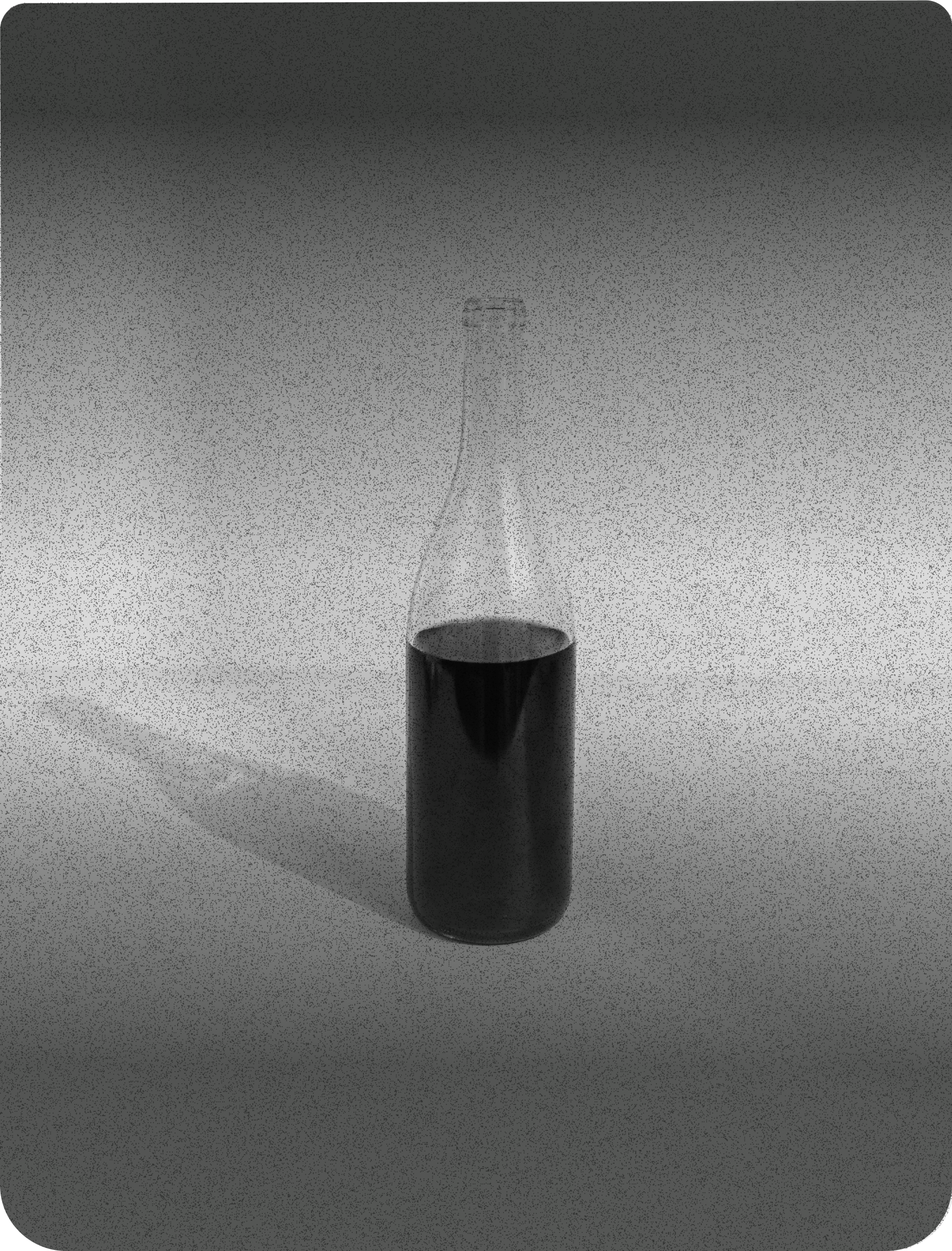
Pheasant's Tears Rkatsiteli-Mtsvane is a natural amber wine from the Tibaani PDO in Georgia's Kakheti region. Produced by Pheasant's Tears, a winery dedicated to preserving Georgia's ancient winemaking traditions, this wine is made from a blend of Rkatsiteli and Mtsvane grapes. It is fermented and aged in traditional qvevri, large clay amphorae buried underground, a method that has been practiced in Georgia for millennia. The grapes undergo extended skin contact, contributing to the wine's unique color, texture, and complex flavor profile. The winery practices organic farming and minimal intervention, allowing the grapes and terroir to express themselves fully. The 2024 vintage is noted for its approachable yet complex character, reflecting the unique microclimate of Tibaani and the ancient qvevri winemaking technique.
ALCOHOL
14.5%
AVG. PRICE
€23
STYLE
Natural
VEGAN
YES
SULPHITES
When to drink
Now or Later
Ideal temperature
10-14°C
INTERESTING FACTS
Fact 01
Georgia boasts an 8,000-year-old winemaking history, the oldest in the world.
Fact 02
Qvevri, the traditional clay amphorae used for aging, are buried underground.
Fact 03
The winery's name, 'Pheasant's Tears,' comes from a Georgian legend about exceptionally fine wine.
Fact 04
This wine is unfiltered, preserving its natural character and texture.
FOOD PAIRING
Read more
WINE MAKING PROCESS
The Rkatsiteli-Mtsvane is produced using Georgia's ancient qvevri method. Grapes are fermented with extended skin contact (three weeks) in large, buried clay amphorae (qvevri) using natural yeasts. Ripe stems are often added to the fermentation. Following fermentation, the wine ages for six months in qvevri, developing a slight flor. It is then transferred to stainless steel before being bottled unfiltered and unfined. This process emphasizes minimal intervention, allowing the natural characteristics of the grapes and the unique properties of the qvevri to define the wine's profile.