COLOUR
Red
TYPE
Still
VINTAGE
2017
GRAPE
Touriga Nacional, Alfrocheiro, Jaen, Tinta Roriz
PRODUCER
Quinta do Escudial
REGION
Dão
CHARACTERISTICS
Body
Medium - Full
Sweetness
Dry
Acidity
Medium - High
Finish
Medium - Long
Intensity
Mid - Pronounced
Tannins
AROMAS & FLAVOURS
ABOUT THIS WINE
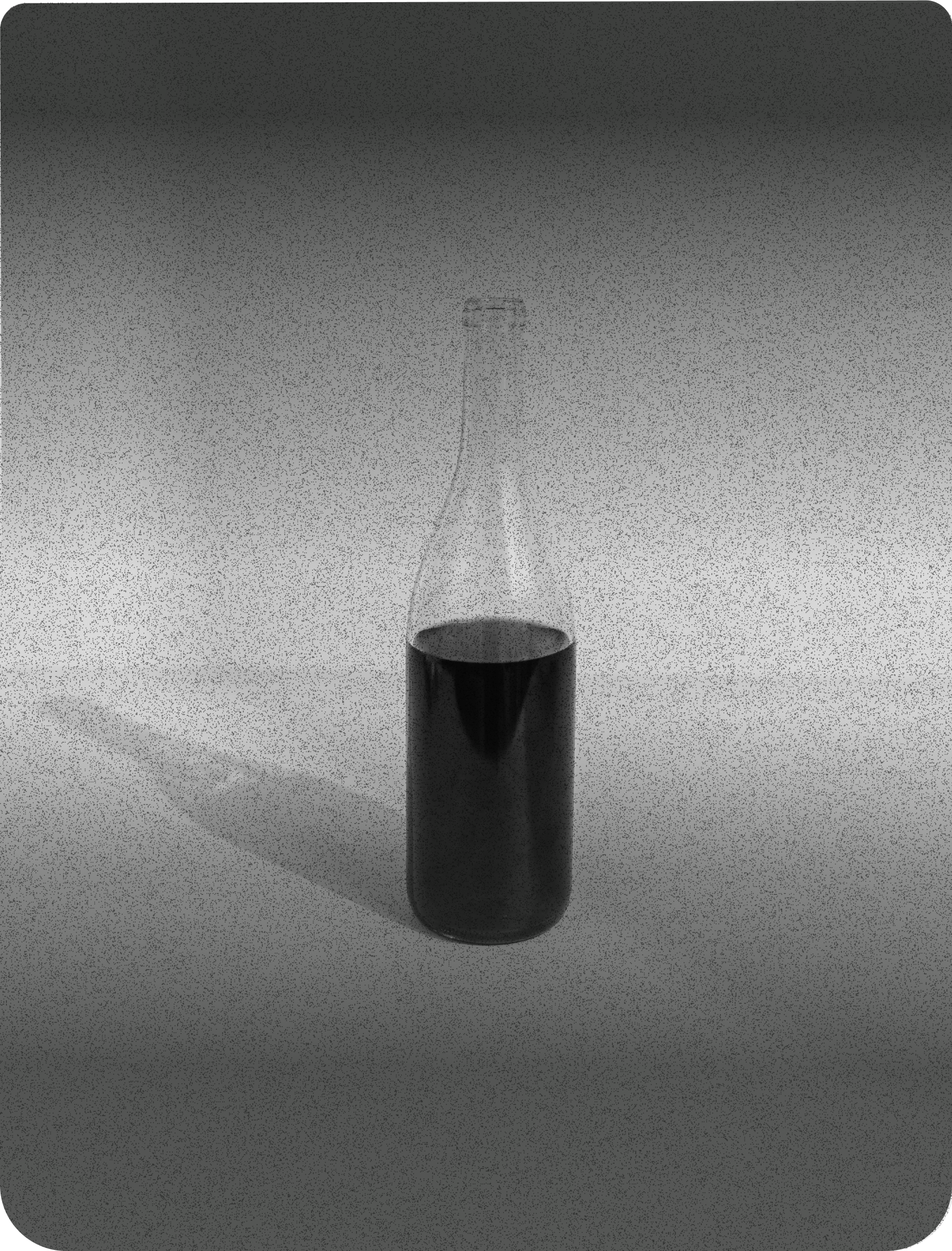
Quinta do Escudial Reserva Tinto is a red wine from the Dão DOC in Portugal. Produced by the family-owned Quinta do Escudial, the wine is crafted from indigenous Portuguese grape varieties including Touriga Nacional, Alfrocheiro, Jaen, and Tinta Roriz. The estate is situated at the foot of the Serra da Estrela mountain range, with vineyards planted on poor granitic soils at approximately 600 meters above sea level. The producer emphasizes an unoaked philosophy, aiming to showcase the purity of the fruit and terroir. The estate has a mix of old vines from the 1950s and younger vines planted in 2003, and employs farming practices described as 'as organically as possible' without herbicides. Total annual production for the estate is between 35,000 and 40,000 bottles.
ALCOHOL
AVG. PRICE
STYLE
Natural
SULPHITES
NO
When to drink
Now or Later
Ideal temperature
16-18°C
INTERESTING FACTS
Fact 01
Vineyards are situated at 600 meters above sea level.
Fact 02
Estate uses old vines dating back to the 1950s.
Fact 03
Farming is 'as organically as possible' without herbicides.
Fact 04
Total estate production is around 35-40,000 bottles annually.
FOOD PAIRING
Read more
WINE MAKING PROCESS
Quinta do Escudial Reserva Tinto is produced using indigenous Portuguese grape varieties. The winemaking process emphasizes an unoaked approach, with fermentation and aging primarily taking place in stainless steel vats and glass bottles. This method is designed to highlight the purity of the fruit and the distinct characteristics of the Dão terroir. Vineyard management is conducted with a focus on sustainability, employing practices described as 'as organically as possible' and avoiding the use of herbicides. The estate utilizes a blend of old vines, some dating back to the 1950s, alongside younger plantings.