COLOUR
Red
TYPE
Still
VINTAGE
2023
GRAPE
Grenache 50%, Syrah 26%, Mourvèdre 24%
PRODUCER
Avondale Wine
REGION
Western Cape
CHARACTERISTICS
Body
Medium
Sweetness
Dry
Acidity
Medium - High
Finish
Medium - Long
Intensity
Mid - Pronounced
Tannins
AROMAS & FLAVOURS
ABOUT THIS WINE
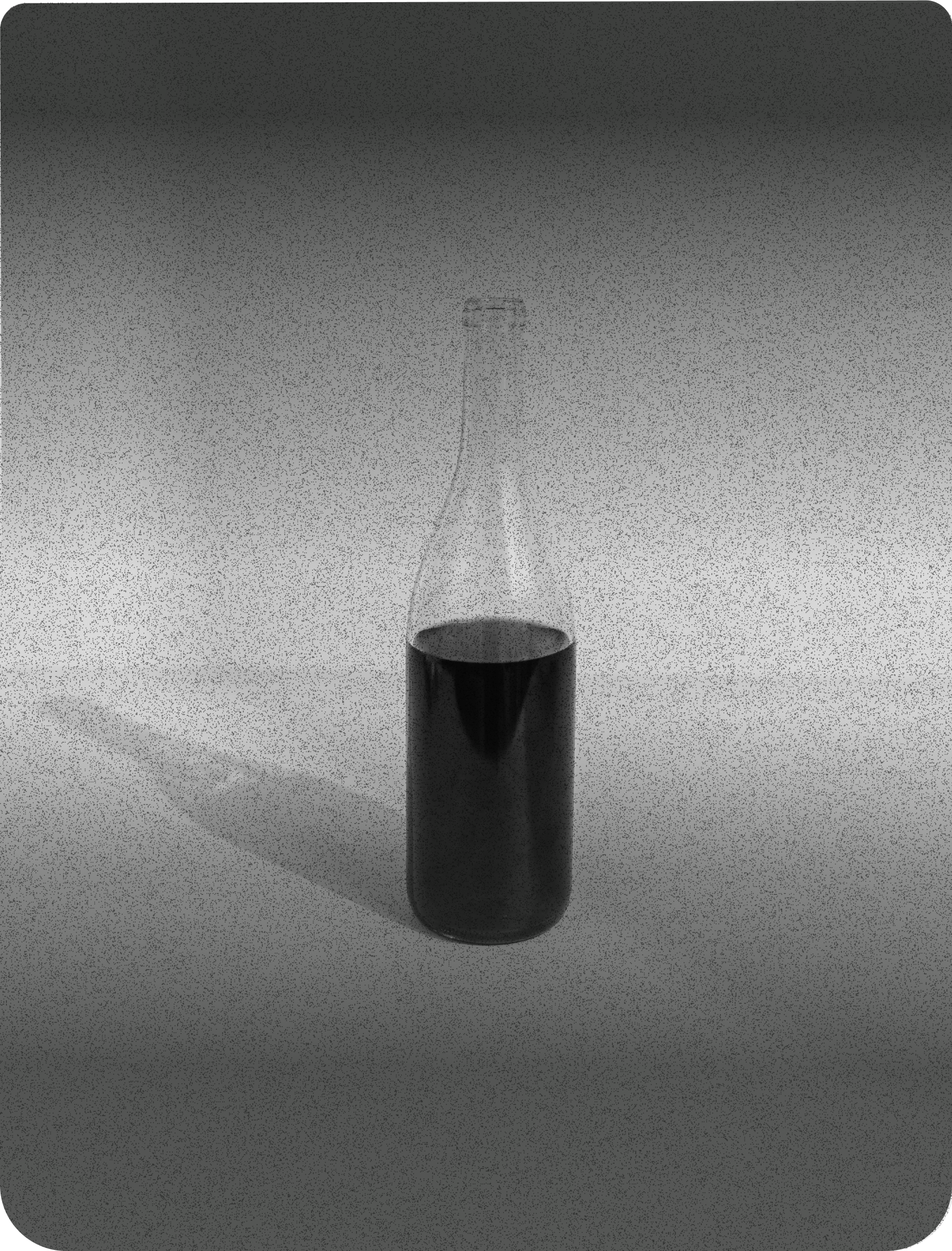
The Avondale Qvevri 2023 is a distinctive red wine from Paarl, South Africa, notable for its use of ancient Georgian Qvevri (clay vessels) in its production. This method is combined with a blend of Grenache, Syrah, and Mourvèdre, reflecting a Rhône-style influence. Avondale Wine, under the stewardship of the Grieve family, champions a biodynamic and organic farming philosophy, encapsulated by their motto 'Terra est Vita' (Soil is Life). This approach emphasizes the health of the vineyard ecosystem, with practices like cover cropping and natural pest control. The estate's vineyards are situated on the slopes of the Klein Drakenstein mountains, contributing to the wine's unique sense of place.
ALCOHOL
12.5%
AVG. PRICE
STYLE
Natural
VEGAN
YES
SULPHITES
When to drink
Now or Later
Ideal temperature
12-14°C
INTERESTING FACTS
Fact 01
Avondale was the first South African wine farm to use Qvevri.
Fact 02
The estate practices certified organic and biodynamic farming.
Fact 03
The farm uses ducks for natural pest control.
Fact 04
The winemaking philosophy is called 'slow wine-making'.
FOOD PAIRING
Read more
WINE MAKING PROCESS
The Avondale Qvevri 2023 is produced using a blend of Grenache, Syrah, and Mourvèdre. The grapes are vinified separately, with Grenache destemmed and Syrah and Mourvèdre fermented as whole bunches. A key element is the use of Qvevri, ancient Georgian clay vessels, where spontaneous fermentation with natural yeasts takes place. The wine undergoes extended skin maceration for one to three months, followed by a light pressing. Aging occurs for a full year in these Qvevri, allowing for micro-oxygenation that refines the wine's texture and fruit expression. Avondale employs a 'slow wine-making' approach, minimizing intervention and utilizing a gravity-flow system. Sustainability is central, with certified organic and biodynamic farming practices, including cover cropping and natural pest control. Minimal sulphur is added throughout the process.