COLOUR
Red
TYPE
Still
VINTAGE
2018
GRAPE
Nero d'Avola, Frappato
PRODUCER
Santa Tresa
REGION
Sicilia
CHARACTERISTICS
Body
Medium - Full
Sweetness
Dry
Acidity
Medium - High
Finish
Long
Intensity
Pronounced
Tannins
Medium
AROMAS & FLAVOURS
ABOUT THIS WINE
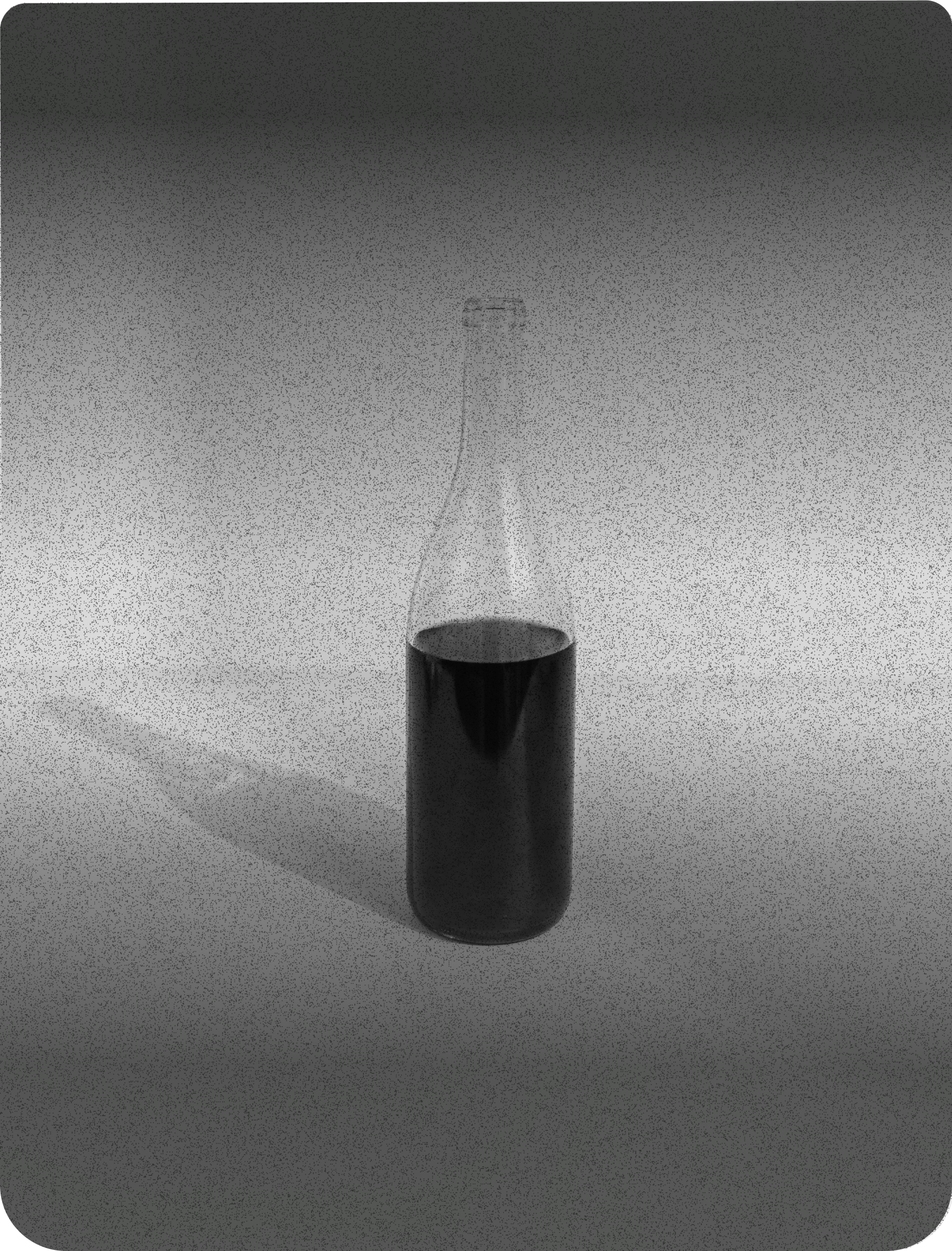
The Santa Tresa Cerasuolo di Vittoria is a red wine from the Vittoria sub-region of Sicily, Italy. It is a blend of 60% Nero d'Avola and 40% Frappato, with a unique approach of drying 15% of the Nero d'Avola on the vine to concentrate its flavors. The Santa Tresa estate, owned by the Girelli siblings, has a long history with the Cerasuolo di Vittoria appellation, being one of the first to label it. Their winemaking philosophy centers on minimal intervention and a deep commitment to organic viticulture and biodiversity. The wine's character is influenced by the local 'terra rossa' soil, a mineral-rich, sandy red soil found in the region.
ALCOHOL
14.0%
AVG. PRICE
€11
STYLE
Natural
VEGAN
YES
SULPHITES
NO
When to drink
Now or Later
Ideal temperature
16-18°C
INTERESTING FACTS
Fact 01
15% of Nero d'Avola is dried on the vine (appassimento) for added intensity.
Fact 02
Santa Tresa was among the first two producers to label Cerasuolo di Vittoria wine in the 1950s.
Fact 03
Yields are strictly controlled, among the lowest for Italian DOCGs.
Fact 04
The estate is certified organic and prioritizes biodiversity.
FOOD PAIRING
Read more
WINE MAKING PROCESS
The Santa Tresa Cerasuolo di Vittoria begins with hand-harvested Nero d'Avola and Frappato, fermented separately. A unique aspect is the on-vine drying of 15% of the Nero d'Avola. Fermentation for Nero d'Avola occurs in large Slavonian oak botti at controlled temperatures (18-24°C) using indigenous yeasts, followed by about 15 days of maceration. Frappato ferments in stainless steel at 18-20°C with 8-10 days of maceration. Both undergo natural malolactic fermentation. The wine is then aged for around one year, primarily in Slavonian oak botti (30-60hl), with about 15% also in French oak barriques and tonneaux, before bottle aging.