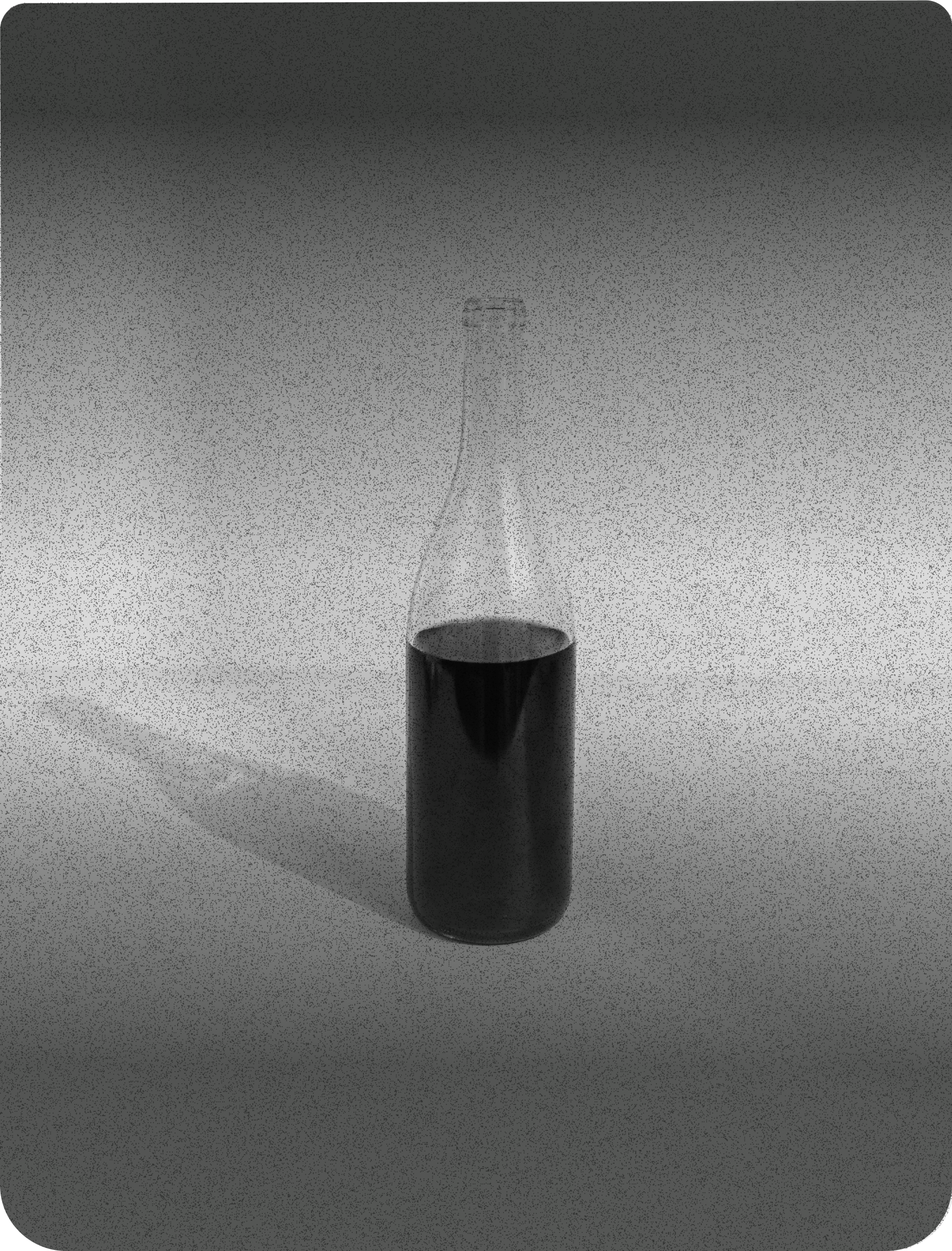
COLOUR
White
TYPE
Still
VINTAGE
2023
GRAPE
Chenin Blanc
PRODUCER
Domaine aux Moines
REGION
Loire
CHARACTERISTICS
Body
Medium - Full
Sweetness
Dry
Acidity
High
Finish
Long
Intensity
Pronounced
AROMAS & FLAVOURS
ABOUT THIS WINE
Domaine aux Moines, translating to "Domain of the Monks," pays homage to the 12th-century monastic origins of its vineyards. This esteemed estate, located in the Loire Valley, has been under the dedicated stewardship of women for two generations, with Tessa Laroche now at the helm, continuing the legacy of her mother, Monique. The Laroche family acquired the estate in 1981 and has since cultivated a philosophy rooted in natural winemaking, achieving organic certification in 2011. This particular wine hails from the Savennières-Roche aux Moines sub-appellation, often regarded as a "grand cru" of Savennières. Its distinctive character is shaped by the unique terroir of volcanic and schist soils, the influence of the nearby Loire river, and the estate's commitment to biodynamic farming practices.
ALCOHOL
13.5%
AVG. PRICE
€69
STYLE
Natural
SULPHITES
YES
When to drink
Now or Later
Ideal temperature
10-12°C
INTERESTING FACTS
Fact 01
The name 'Domaine aux Moines' means 'Domain of the Monks,' honoring the 12th-century monastic origins of the vineyards.
Fact 02
The estate has been run by women for two generations, a testament to their dedication and vision.
Fact 03
This wine comes from 'Roche-aux-Moines,' a specific sub-appellation considered a 'grand cru' of Savennières.
Fact 04
The vineyard is certified organic and practices biodynamic farming, reflecting a deep commitment to natural winemaking.
FOOD PAIRING
Read more
WINE MAKING PROCESS
The vineyards of Domaine aux Moines span 12 hectares, situated on south and southwest-facing slopes. The soil composition is a complex blend of volcanic rock, sandy schist, and clay, contributing to the wine's unique mineral profile. The average vine age is substantial, ranging from 45 to 50 years. Viticulture is meticulously managed, with the vineyard certified organic and incorporating biodynamic principles. All vineyard work, including the harvest, is performed by hand, with multiple passes through the vines to ensure only the ripest fruit is selected. In the cellar, fermentation occurs naturally with indigenous yeasts. The wine then undergoes a significant aging period of 15-16 months in a combination of tanks and mostly used 220 and 400-liter casks before bottling. The estate's annual production is approximately 40,000 bottles.