COLOUR
White
TYPE
Dessert
VINTAGE
2023
GRAPE
Solaris, Souvignier Gris, Muscaris, Donauriesling, Pinot Nova, Cabernet Noir
PRODUCER
Kullabergs Vingård
REGION
Skåne
CHARACTERISTICS
Body
Full
Sweetness
Sweet
Acidity
Medium - High
Finish
Long
Intensity
Pronounced
AROMAS & FLAVOURS
ABOUT THIS WINE
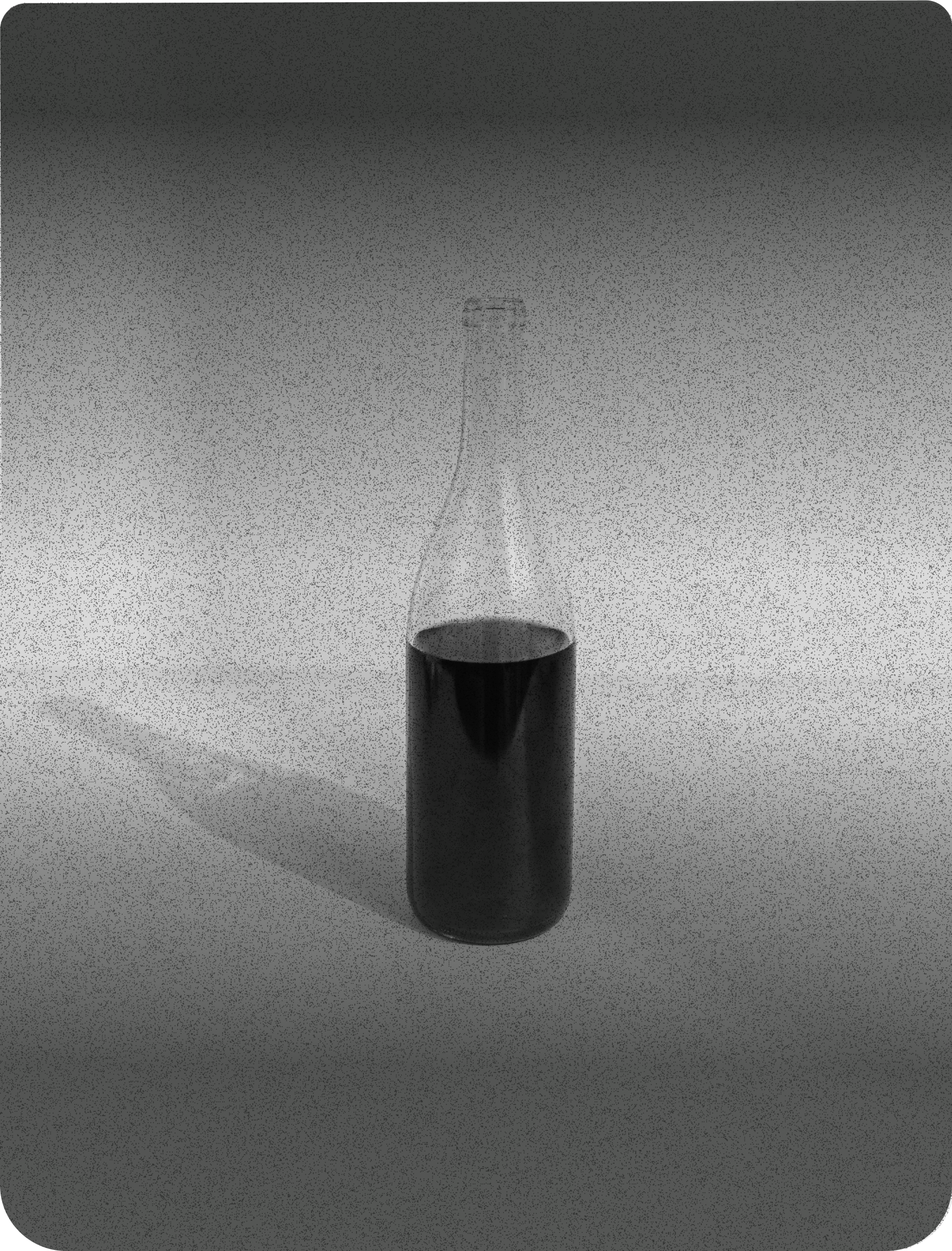
Kullabergs Solvik 2023 is a sweet white dessert wine from Kullabergs Vingård in the Skåne region of Sweden. The wine's name, Solvik, refers to the hilly area surrounding the winery, symbolizing the land's natural bounty. This particular style of dessert wine is produced infrequently, with previous vintages in 2018 and 2021. Kullabergs Vingård, established in 2014, is dedicated to sustainable viticulture, focusing on PIWI grape varieties. The winery's vineyards are situated in a coastal area, benefiting from a climate that supports a long growing season. The 2023 vintage is distinguished by the use of Solaris grapes affected by noble rot, a process that concentrates sugars and acids.
ALCOHOL
12.5%
AVG. PRICE
€24
STYLE
Classic
SULPHITES
NO
When to drink
Now or Later
Ideal temperature
8-12°C
INTERESTING FACTS
Fact 01
Solvik means 'sun bay' in Swedish, referencing the winery's sunny, hilly location.
Fact 02
This dessert wine has only been produced twice before (2018 and 2021).
Fact 03
Kullabergs Vingård exclusively uses PIWI (fungi-resistant) grape varieties.
Fact 04
The winery's modern facility was built in 2022.
FOOD PAIRING
Read more
WINE MAKING PROCESS
Kullabergs Solvik 2023 is produced using primarily Solaris grapes that have been affected by noble rot (Botrytis cinerea). This process concentrates the natural sugars and acids within the grapes. The grapes are hand-harvested. Fermentation takes place in both stainless steel tanks and oak barrels, contributing to the wine's complexity. Following fermentation, the wine undergoes aging in stainless steel tanks and oak barrels. The winery employs sustainable viticulture practices, exclusively planting PIWI (fungi-resistant) grape varieties to promote environmental health. The wine is produced in smaller batches and then blended to achieve a layered profile.