COLOUR
Red
TYPE
Still
VINTAGE
2022
GRAPE
Negroamaro 60%, Zinfandel (Primitivo) 30%, Cabernet Sauvignon 10%
PRODUCER
C.V.C. Soc. Coop. Agricola Lugo
REGION
Puglia
CHARACTERISTICS
Body
Full
Sweetness
Off-dry
Acidity
Medium
Finish
Long
Intensity
Pronounced
Tannins
AROMAS & FLAVOURS
ABOUT THIS WINE
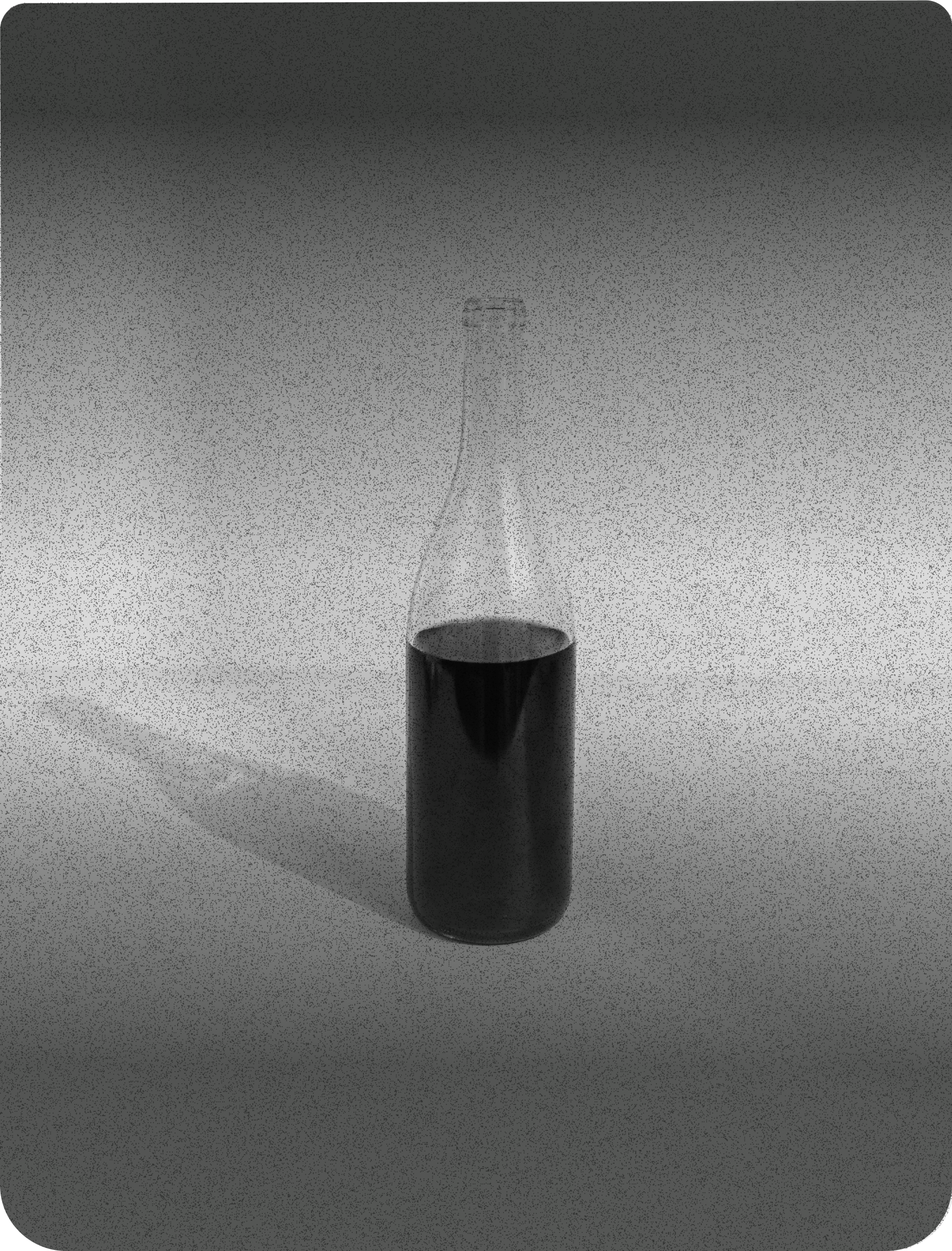
This Is The Bomb Appassimento is a red wine from Puglia, Italy, produced by C.V.C. Soc. Coop. Agricola Lugo. The wine's distinctive character comes from the Appassimento method, a traditional grape-drying technique that concentrates sugars and flavors, resulting in a full-bodied and intense wine. It is a blend of 60% Negroamaro, 30% Zinfandel (Primitivo), and 10% Cabernet Sauvignon, classified under the Puglia IGT. The grapes are sourced from organically farmed vineyards in Puglia, a region known for its sunny climate. The wine's name, 'This Is The Bomb,' directly communicates its powerful and rich profile, a modern expression of Puglian winemaking.
ALCOHOL
14.5%
AVG. PRICE
€13
STYLE
Classic
When to drink
Now or Later
Ideal temperature
16-18°C
INTERESTING FACTS
Fact 01
The name 'This Is The Bomb' reflects the wine's intense, concentrated flavor profile.
Fact 02
The Appassimento technique is similar to that used for famous Amarone wines.
Fact 03
The blend includes 60% Negroamaro, a key grape of Puglia.
Fact 04
The wine is farmed using organic methods.
FOOD PAIRING
Read more
WINE MAKING PROCESS
This Is The Bomb Appassimento is crafted using the Appassimento method, where grapes are partially dried after harvest to concentrate their sugars and flavors. This process, common in regions like Amarone, results in a wine with heightened intensity. The concentrated grape must is then fermented, leading to a higher alcohol content. Following fermentation, the wine is aged in a mix of French and American oak barrels, which imparts complex notes of coffee and chocolate and contributes to its smooth texture. The blend of Negroamaro, Zinfandel (Primitivo), and Cabernet Sauvignon is characteristic of a modern approach to Puglian winemaking. The vineyards are managed using organic farming practices.