COLOUR
Red
TYPE
Still
VINTAGE
2022
GRAPE
País
PRODUCER
Roberto Henriquez
REGION
Bio Bio Valley
CHARACTERISTICS
Body
Medium - Light
Sweetness
Dry
Acidity
Medium
Finish
Intensity
Light
Tannins
Medium - Low
AROMAS & FLAVOURS
ABOUT THIS WINE
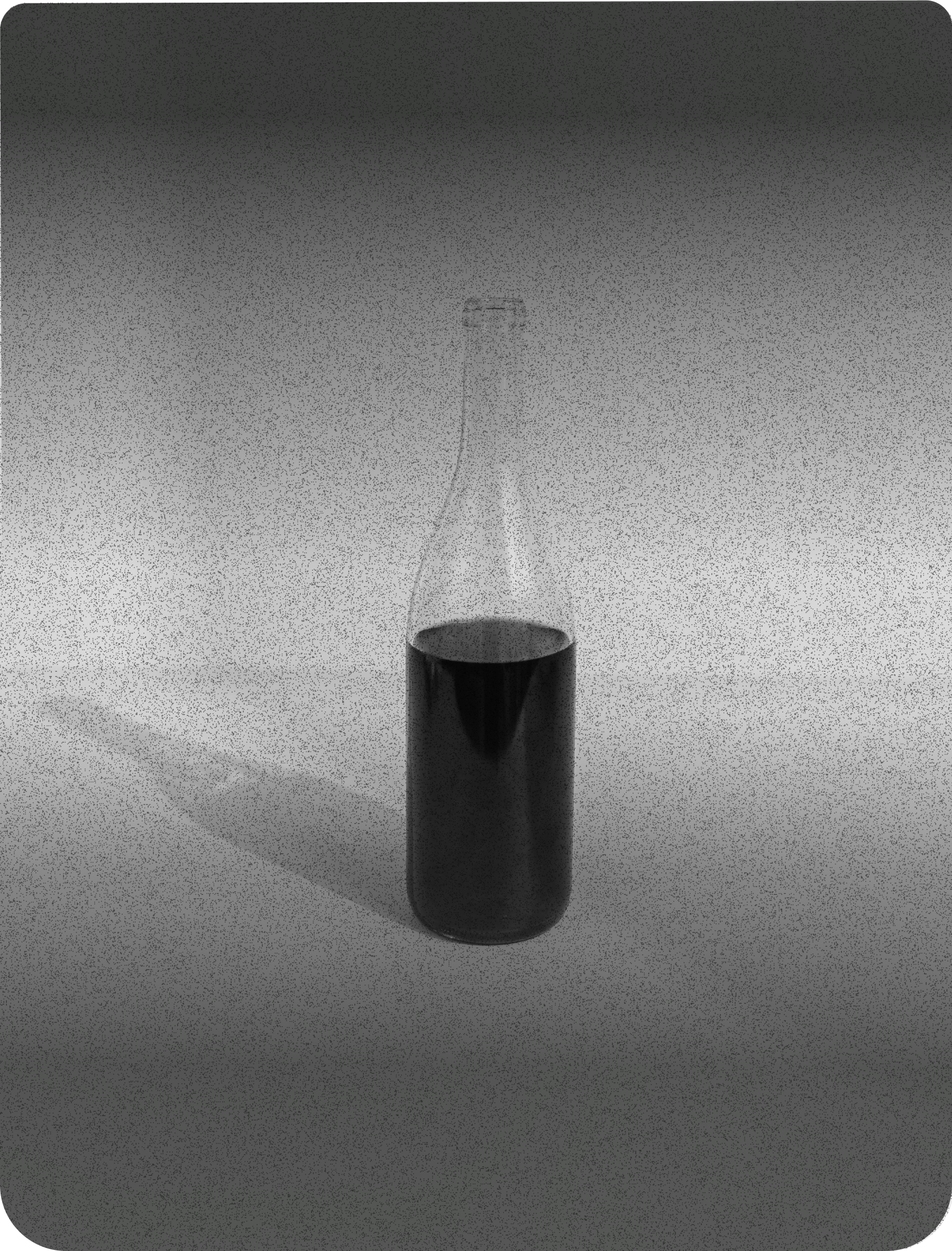
Tierra del Pumas Roberto Henrquez is a red wine from the Bio-Bio Valley, Chile, made exclusively from 100% País grapes. The wine is a project by winemaker Roberto Henriquez, who is dedicated to reviving and showcasing Chile's ancient viticultural heritage. The grapes are sourced from historic vineyards in the Santa Juan zone, featuring vines that are over 200 years old. This region is characterized by its cool climate and granite-based soils, influenced by the Nahuelbuta Range and the Bío Bío River. The wine's name, 'Tierra de Pumas,' refers to the cougars found in the nearby mountain range, highlighting the connection to the natural landscape. Henriquez's philosophy centers on minimal intervention, aiming to capture the pure essence of the old vines and the unique terroir.
ALCOHOL
12.5%
AVG. PRICE
€27
STYLE
Natural
VEGAN
YES
SULPHITES
When to drink
Now or Later
Ideal temperature
14-16°C
INTERESTING FACTS
Fact 01
Named 'Tierra de Pumas' (Land of the Cougars) after the mountain range where these big cats roam.
Fact 02
Made from vines over 200 years old, some reaching 250 years.
Fact 03
Represents a significant portion of Chile's winemaking history.
Fact 04
Grapes are grown alongside tomatoes, corn, and pumpkins in a polyculture system.
FOOD PAIRING
Read more
WINE MAKING PROCESS
The winemaking for Tierra del Pumas Roberto Henrquez focuses on minimal intervention to highlight the purity of the País grape and its ancient vineyard origins. Grapes are hand-harvested and then gently crushed and de-stemmed. Spontaneous fermentation with native yeasts takes place in a combination of concrete vats, open wooden troughs, and stainless steel tanks, with fermentation lasting one to three weeks. Following fermentation, the wine is aged for a period of 3 to 11 months, predominantly in concrete tanks, with a small proportion in old barrels or stainless steel. This process is designed to preserve the wine's natural character and freshness, avoiding significant oak influence.